

The No-Nonsense Guide to Choosing the Right Shooting Range Safety Training Course
Let’s be direct: Most lane shooting ranges treat you like a child. They micromanage your splits, hover over your shoulder, and restrict you to static, bench-rest shooting that lacks application in the real world. At Cowtown Range, we do things differently. Responsible citizens deserve access to the same elite environments and technical standards utilized by world-class professionals.
Finding a facility that respects your autonomy is only the first step; the next is identifying a training path that prepares you for that level of freedom. Navigating the available shooting range safety training courses is about finding a curriculum that challenges your limits rather than one that simply checks a box for a permit. Whether you are bridging the gap from beginner to practitioner or you are a seasoned shooter ready to become a member, this guide helps you navigate the landscape of high-level firearm education.
The Cowtown Standard: Professionalism Over Policing
Born as a Hollywood Western set in 1973 and forged as a training ground for specialized military and law enforcement units, Cowtown is a legendary facility. Our approach to training comes from decades of experience. We don’t shout one-shot-per-second rules. Instead, we demand that you self-govern. You are responsible for every round that leaves your barrel.
Our curriculum is designed for the serious practitioner—the individual who trains several times a week and expects a sanctuary where the Second Amendment is respected. When you choose a course here, you are joining a culture that values discipline over micromanagement.
1. Evaluating the Curriculum: Beyond the Basics
A standard safety course tells you how to clear a jam. A professional course teaches you how to manage your system under stress. When evaluating shooting range safety training courses, look for a syllabus that covers more than just the mechanical basics. A comprehensive program should include:
- Safe Handling & System Storage: This goes beyond muzzle awareness. You need to understand the logistics of secure storage and the protocols for transporting your platform safely and legally.
- Legal Responsibilities: You should receive a clear-eyed look at the laws governing firearm ownership in your jurisdiction. We skip the marketing fluff and focus on the realities of gun ownership.
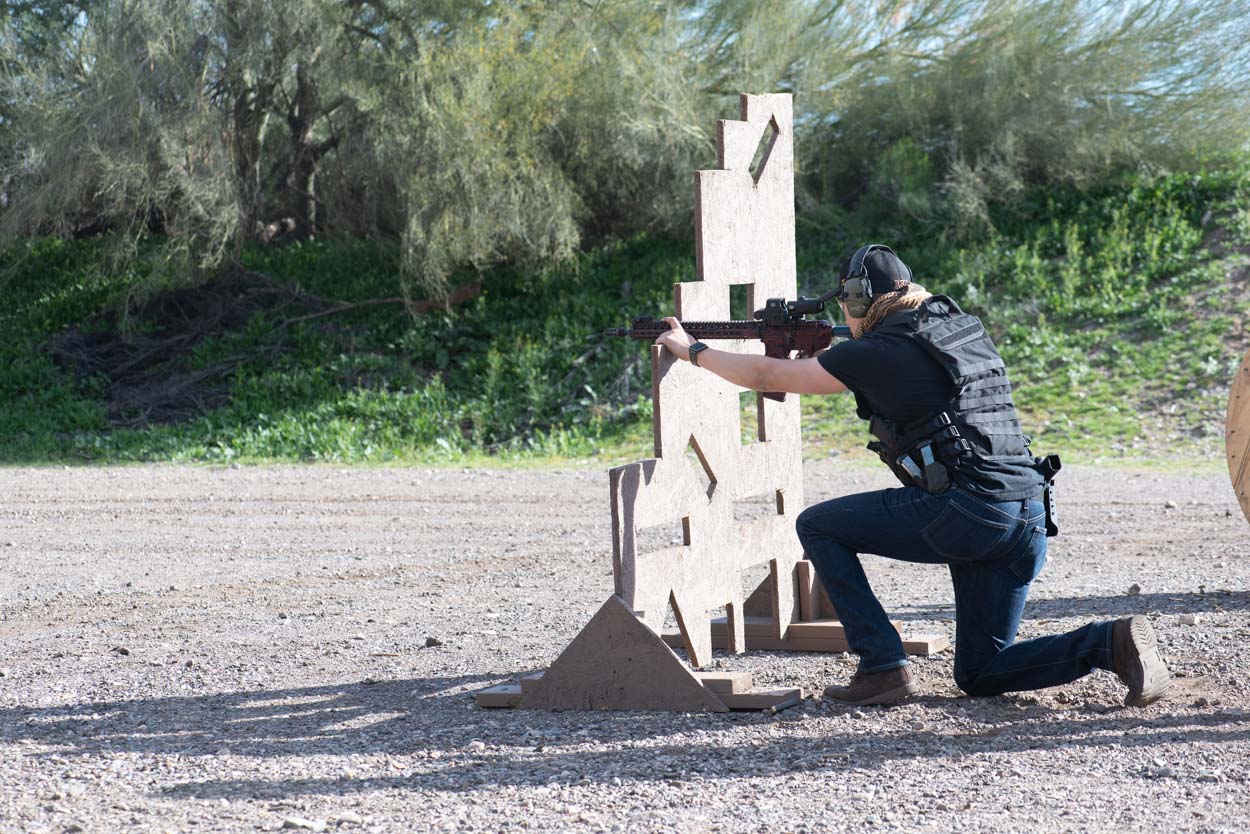
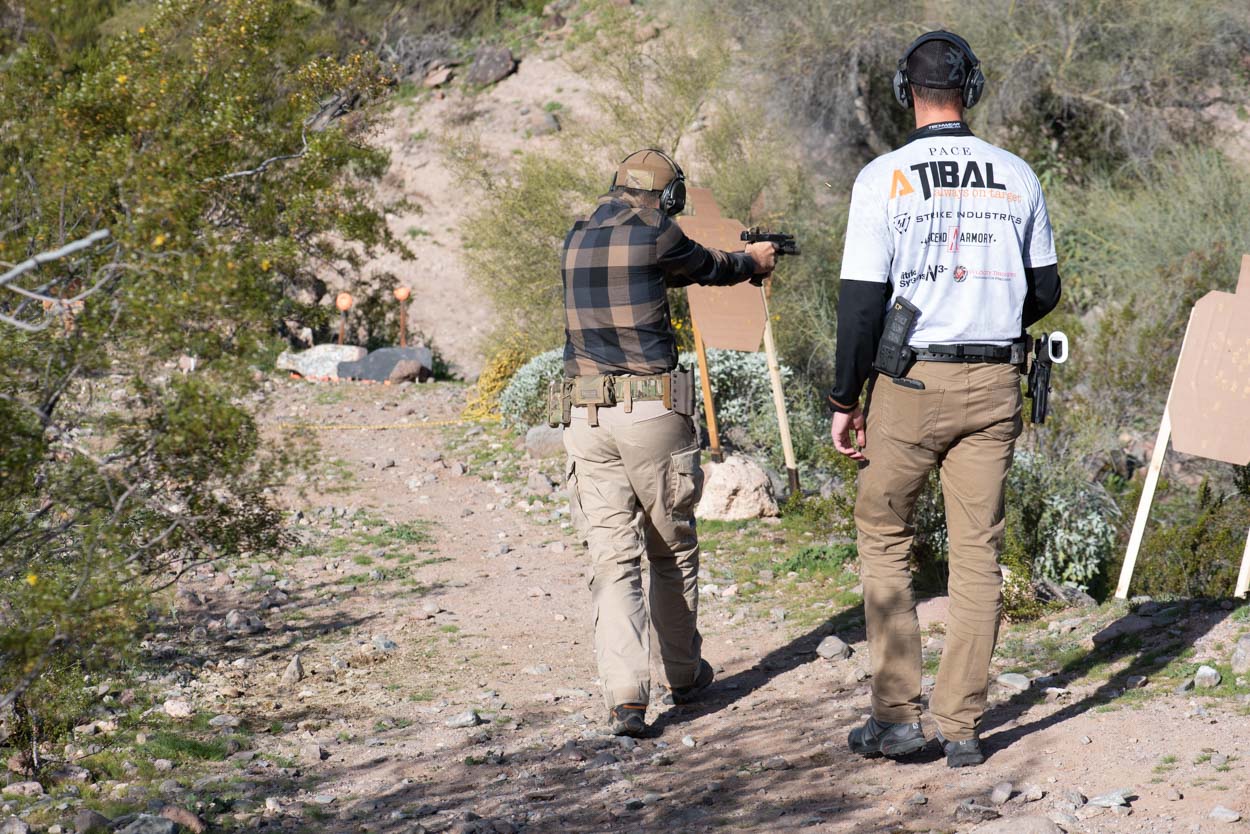
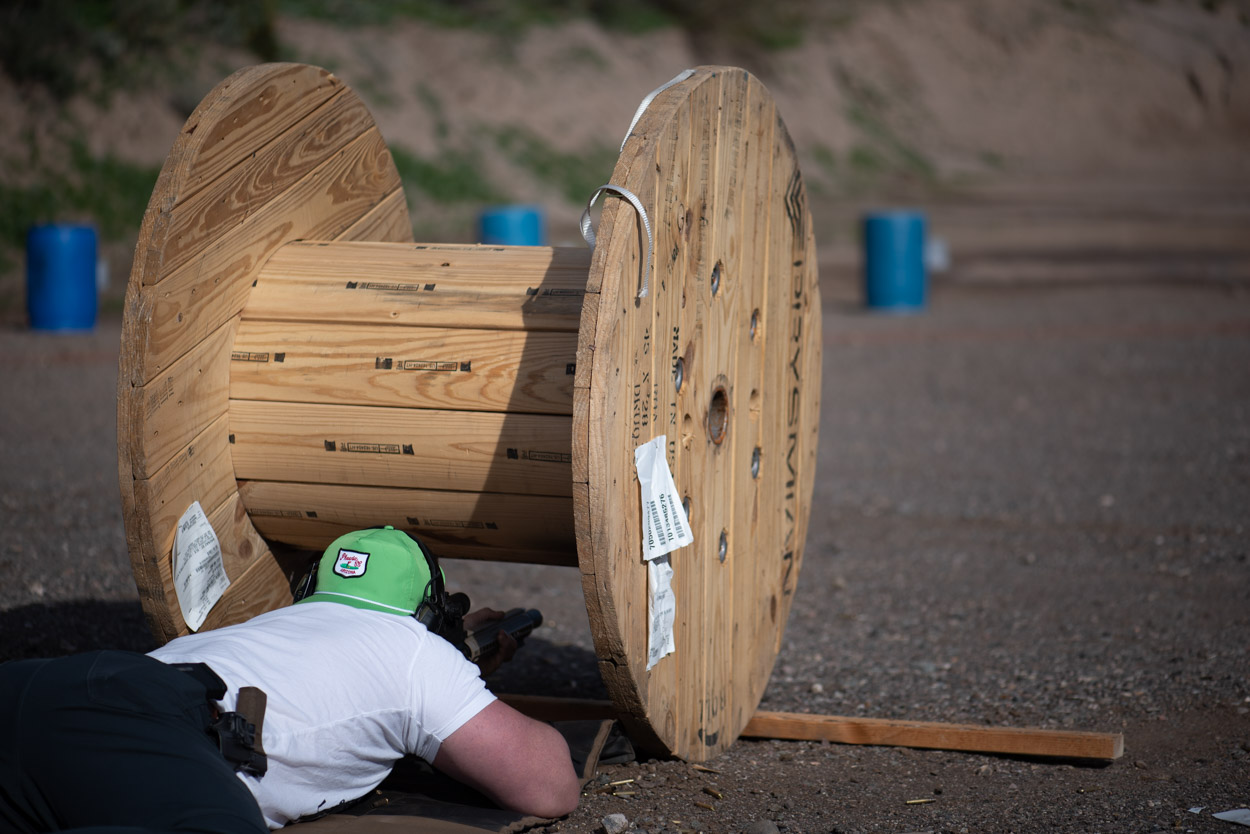
- Practical Engagement: Look for courses that get you off the bench. Hands-on drills should include holster work, movement, and the use of barricades to simulate real-world environments.
- Emergency Response: A high-level course prepares you for when things go wrong, whether that involves a mechanical failure of your firearm or a medical emergency on the line.
At Cowtown, we offer tiered paths to mastery. You can start with handgun training to solidify your fundamentals or move into specialty courses designed for specific mission sets and tactical scenarios.
2. Instructor Pedigree: Train with the Experts
You shouldn’t be learning ballistics from someone who just finished a weekend certification. You want instructors who have spent their lives in the field, carrying a firearm as a profession.
Experienced shooters value the expertise of those who have already walked the path. Our private training sessions are led by individuals who have hosted everyone from elite units to legendary figures in the firearm community.
3. The Training Environment: Dirt and Brass
If you’re training in a sterile, air-conditioned lane, you aren’t preparing for reality. Our high-desert outdoor facility provides the grit necessary for true skill retention. The environment of a range should be key factor in your selection process because the elements—wind, heat, and uneven terrain—are part of the training.
The Platforms: We provide everything from spacious tactical bays to 1,000-yard precision platforms.
The Autonomy: We provide the liberty to move and engage, provided you respect the craft and the community.
The Gear: We expect you to bring your platform and enough ammo to run the drills effectively. For more intensive courses, this means at least 300 rounds and the essential support gear:
- Ballistic eye protection that meets impact standards.
- Electronic ear protection to ensure you can hear instructor commands while suppressing gunfire.
- A reliable holster and belt system that can withstand a full day of movement.
For those looking to push their limits, our rifle training and precision training environments challenge even the most seasoned shooters by introducing environmental variables that an indoor range simply cannot replicate.
4. Certification and Capability
While many seek shooting range safety training courses to satisfy state-mandated permits, our focus is on building capability. A permit covers the legal minimum for carrying a firearm, but tactical mastery is what ensures you can use that tool effectively when it matters.
- Basic Certification: This meets the legal requirements for local permits and ensures you have a firm grasp of safety protocols.
- Range Safety Officer (RSO) Training: Designed for those who want to lead the community and ensure the safety of our tribe while maintaining a professional range environment.
- Advanced Skills: These courses focus on perishable skills such as long-range mirage reading, elevated shooting, and rapid target acquisition.
By choosing the right course, you aren’t just getting a certificate; you are gaining entry into a community of like-minded shooters who value discipline and the heavy responsibilities of firearm ownership.
5. Evaluating Duration and Structure
The structure of a course often dictates the depth of the learning. A two-hour seminar might cover the basics of safety, but mastery requires time on the trigger. When choosing, consider how much of the course is spent in a classroom versus how much is spent in the dirt.
At Cowtown, we prioritize trigger time. We believe that muscle memory is built through repetition and corrected through expert oversight. Our courses are structured to maximize your time on the range, ensuring that every minute spent at the facility translates to a measurable improvement in your shooting ability.
Join the Tribe: Your Next Steps
The skills you build today are perishable. Secure your access to the premier training grounds of the Southwest and ensure your edge stays sharp. Whether you are coming out to read the mirage at 800 yards or taking your first steps toward responsible ownership, Cowtown Range is your sanctuary.
Stop shooting in lanes – Start training in the desert.
- Step 1: Evaluate your current skill level and choose a course.
- Step 2: Apply for membership and gain elite access to our facilities.
- Step 3: Come ready to put in the work.
RESPECT THE RANGE. OWN YOUR SHOTS.
Frequently Asked Questions
How long do these courses take?
Most of our courses are five-hour intensives, while our more technical programs span a full day or a complete two-day block. We respect your time, so we cut the fluff to ensure the highest density of information and trigger time possible.
Do I need to be a member to train?
No. While we offer public courses, membership provides the autonomy to use our specialized bays and the 1,000-yard line without a Range Officer breathing down your neck. It is the best way to ensure the skills you learn in a course don’t atrophy.
Are online safety courses worth it?
Online courses serve a purpose for legal theory and basic terminology, but they cannot replace mechanical skill development. You cannot learn to read the wind or manage recoil through a screen. True proficiency requires sending rounds downrange in a physical environment.
What is the self-govern aspect?
We treat our participants like adults. This means we expect you to know the rules of firearm safety by heart and apply them every second you are on the property. We provide the freedom; you provide the discipline.