
The Professional Standard: Why Certification for Shooting Range Safety Standards is Non-Negotiable
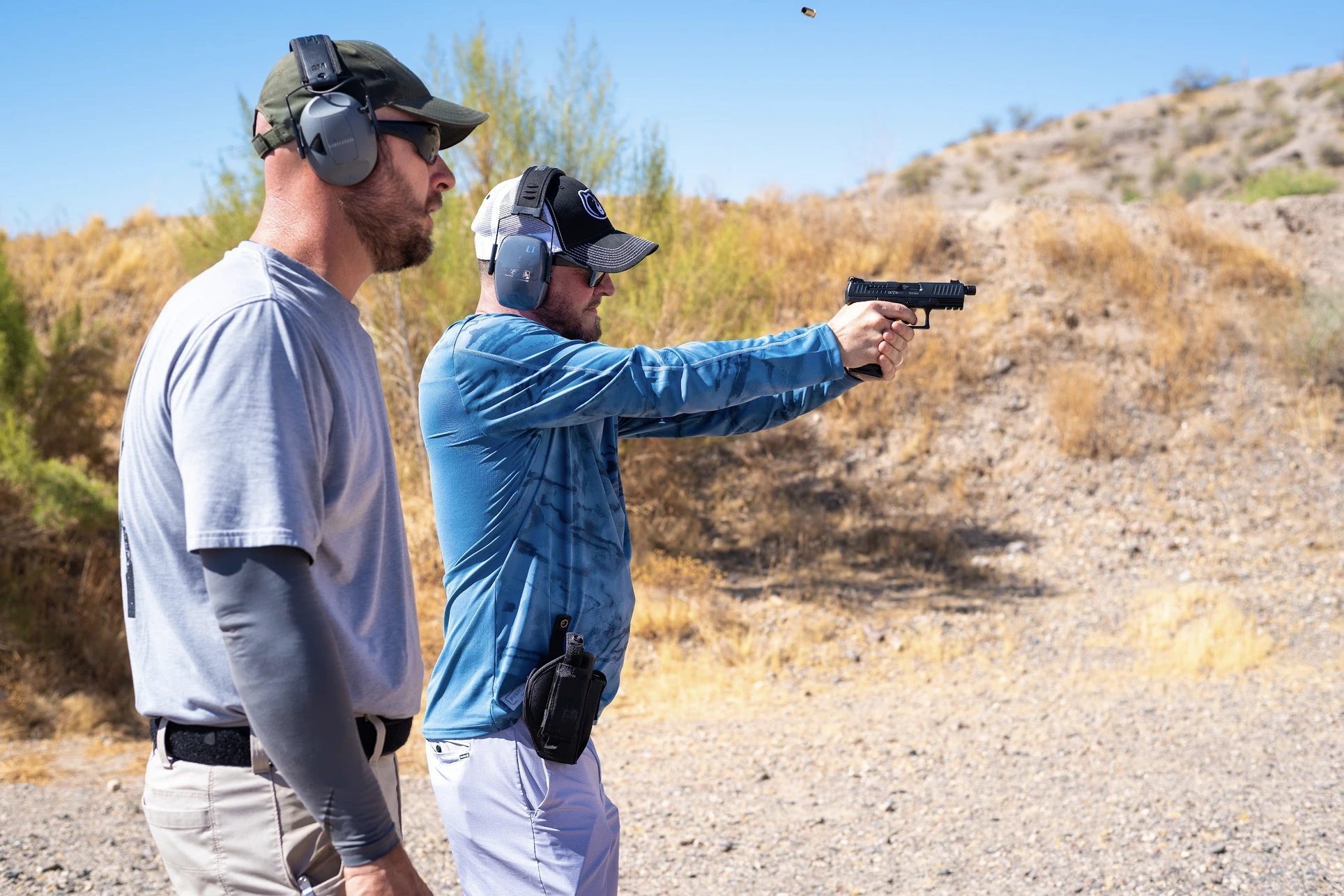
For the serious practitioner, the primary frustration of a typical range is an environment of restrictive “lane policing” that stifles real-world progress. High-level safety is what allows us to move away from that micromanagement. By adhering to rigorous industry standards, we provide a world-class facility where autonomy is possible, ensuring that every shooter—from the newcomer to the seasoned pro—has the liberty to master their craft in a secure, professional environment.
Understanding the backbone of shooting range safety standards is the first step toward finding a training home where you can grow alongside an expert community. Whether you are starting your journey or looking to push your limits, these standards ensure the range remains a high-functioning asset for everyone.
The Cowtown Standard: Freedom Through Discipline
Most shooters are accustomed to the static lines and “one shot per second” limitations of indoor facilities. We bridge the gap between those restrictive environments and professional-grade training grounds. Our safety standards exist to provide the autonomy to move, draw from a holster, and engage multiple targets with confidence.
Why High Standards Matter
- Operational Integrity: Rigorous protocols ensure that our rugged terrain is backed by professional-grade ballistic engineering.
- Professional Real Estate: Responsible citizens deserve access to the same quality of training environments used by elite operators.
- Risk Mitigation: Strict range management filters out the “noise” of inexperienced handling, allowing dedicated shooters to focus entirely on their drills.
The Anatomy of Shooting Range Safety Compliance
Establishing a world-class facility—one with a legacy spanning back to 1973—requires a commitment to specific safety certifications. These standards govern the management of specialized bays and long-range platforms to ensure every round sent downrange is accounted for.
Essential Safety Protocols
Professional Oversight: The Role of the RSO
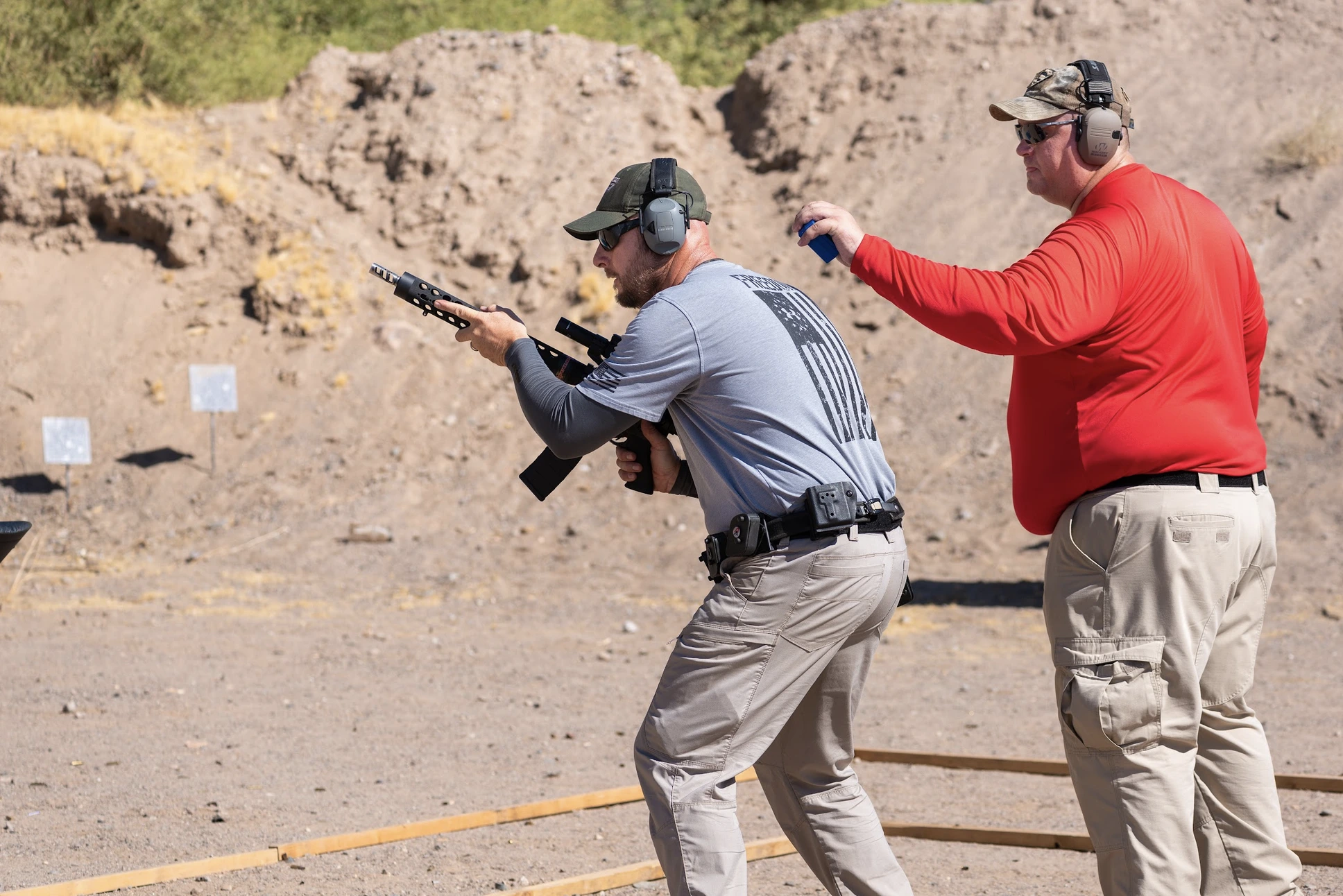
At a standard range, a Range Safety Officer (RSO) often acts as a source of friction. At Cowtown, our RSOs are the stewards of the range environment. Because many of our team members come from backgrounds in Military and Law Enforcement, their certification is a formality that validates decades of technical proficiency and lead sent downrange. They aren’t there to hover; they are there to ensure the professional standard is maintained across the line.
How Certified Officers Support Your Training:
- Encouraging Self-Governance: We treat you as a professional so you can train like one.
- Technical Preparedness: Proficiency in range management is the baseline requirement for our staff.
- Maintaining the Standard: They monitor the range to ensure every participant respects the craft, allowing you to focus on your splits and your accuracy without distraction.
Elevating the Training Experience
When a facility invests in certification for shooting range safety standards, it directly improves the shooter’s experience. For the hobbyist who visits several times a week, these standards provide the peace of mind necessary to push personal limits.
The Power of Self-Governance
A certified, professional facility offers the latitude to master skills that are often banned elsewhere:
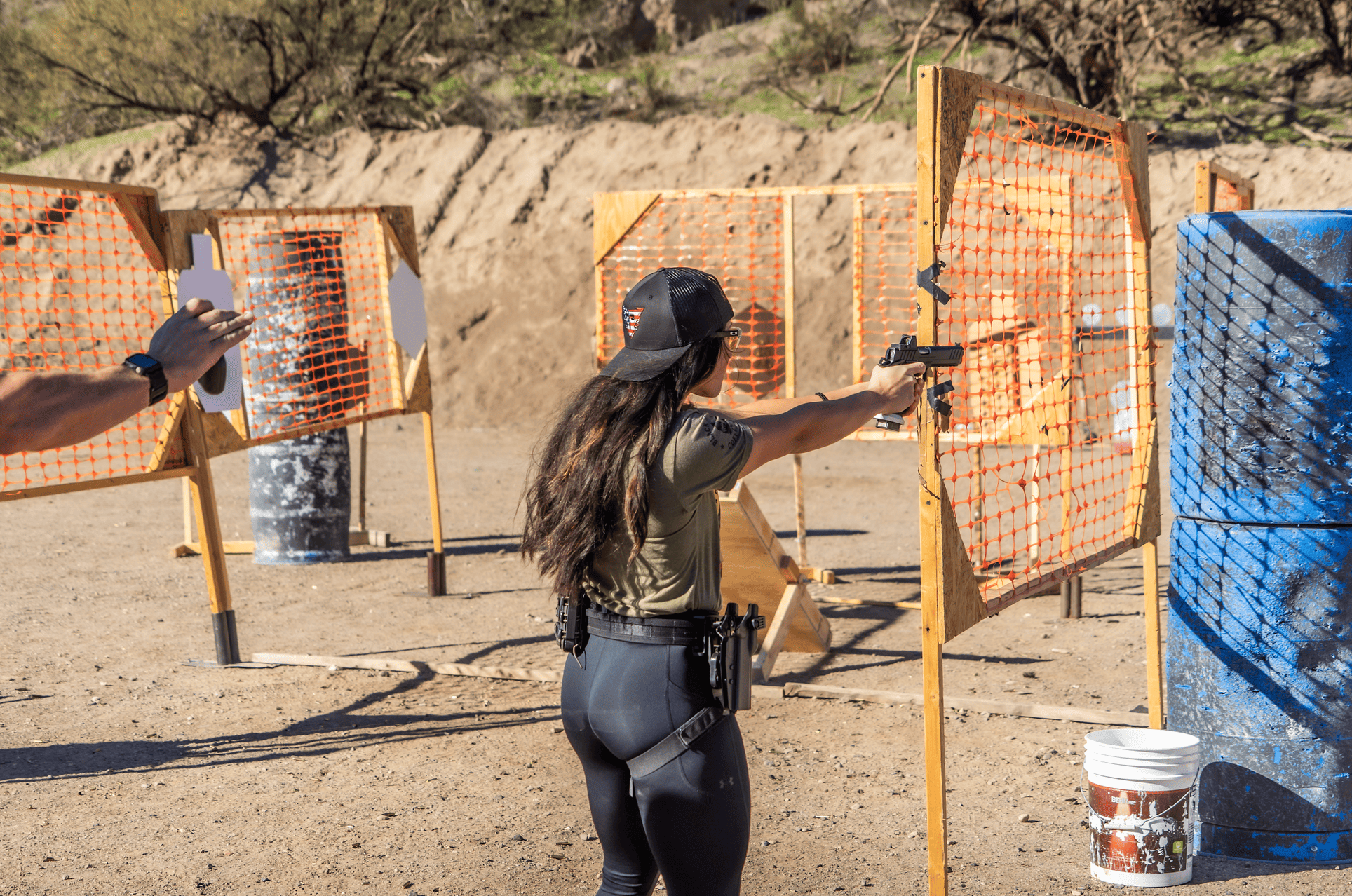
- Holster Proficiency: Practice draws and presentations in a controlled, safe environment.
- Movement Drills: Navigate barricades and engage targets as you would in a real-world scenario.
- Long-Range Precision: Access to the 1,000-yard line requires a level of safety certification that basic ranges cannot support.
The desert doesn’t offer participation trophies. Success here comes from experience, grit, and a respect for the craft.
Insurance, Liability, and the Community
Safety certification is the backbone of a range’s longevity. It provides the framework required to host world-renowned shooters, competitors, instructors, and elite training groups.
- Minimizing Incident Risks: Adhering to strict ballistics and safety practices removes the “wild card” factor often found at public land or uncertified wildcat shooting areas.
- Building Reputation: Certification fosters trust among experienced shooters who value referrals and technical competence over marketing.
- Operational Longevity: High standards lead to better insurance standing, ensuring the range remains open for future generations of shooters.
Secure the Professional Standard
The skills you build are perishable; do not let your edge dull because of a restrictive range environment. If you are tired of arbitrary rules and seek a place to responsibly exercise your Second Amendment rights, a Cowtown Range Membershipprovides the access you need to train the way you live.
Our membership ensures everyone on the line is committed to the same professional safety standards and mutual respect. We hold a higher standard of certification—not to limit your freedom, but to protect it.
The desert is waiting. Come ready to work.
Advance Your Training:
Frequently Asked Questions
What are the standard safety requirements for shooting ranges?
Standard requirements include mandatory ballistic benching, backstop maintenance, and clear range commands. At Cowtown, we exceed basic standards by implementing military-grade range management and requiring high-impact eye and ear protection at all times to ensure a professional environment for all skill levels.
Why is Range Safety Officer (RSO) certification important?
RSO certification ensures that the individuals overseeing the range have the technical proficiency to manage complex shooting scenarios and respond to emergencies. Our team leverages backgrounds in Military and Law Enforcement and professional certifications to act as stewards of the range, prioritizing self-governance over micromanagement.
Does a certified range allow for movement and holster work?
Yes, professional certification and high safety standards are exactly what allow a facility like Cowtown to offer advanced training opportunities. Because we maintain rigorous protocols and promote shooter competence, our members have the freedom to practice draws, movement drills, and barricade work—activities often prohibited at uncertified or indoor “lane” ranges.
How does shooting range safety impact training quality?
High safety standards filter out unsafe behavior and “noise,” creating a focused environment where practitioners can push their limits. When the range is managed professionally, you can concentrate entirely on your accuracy, splits, and technical skills rather than worrying about the conduct of those in the next bay.
What types of firearms and ammunition are allowed at a certified range?
Safety compliance requires specific ammunition standards to protect shooters as well as the integrity of the steel targets and ballistic backstops. While we accommodate a wide variety of platforms—from handguns to precision rifles—we provide technical briefings to ensure your specific gear is matched to the appropriate training bay.