

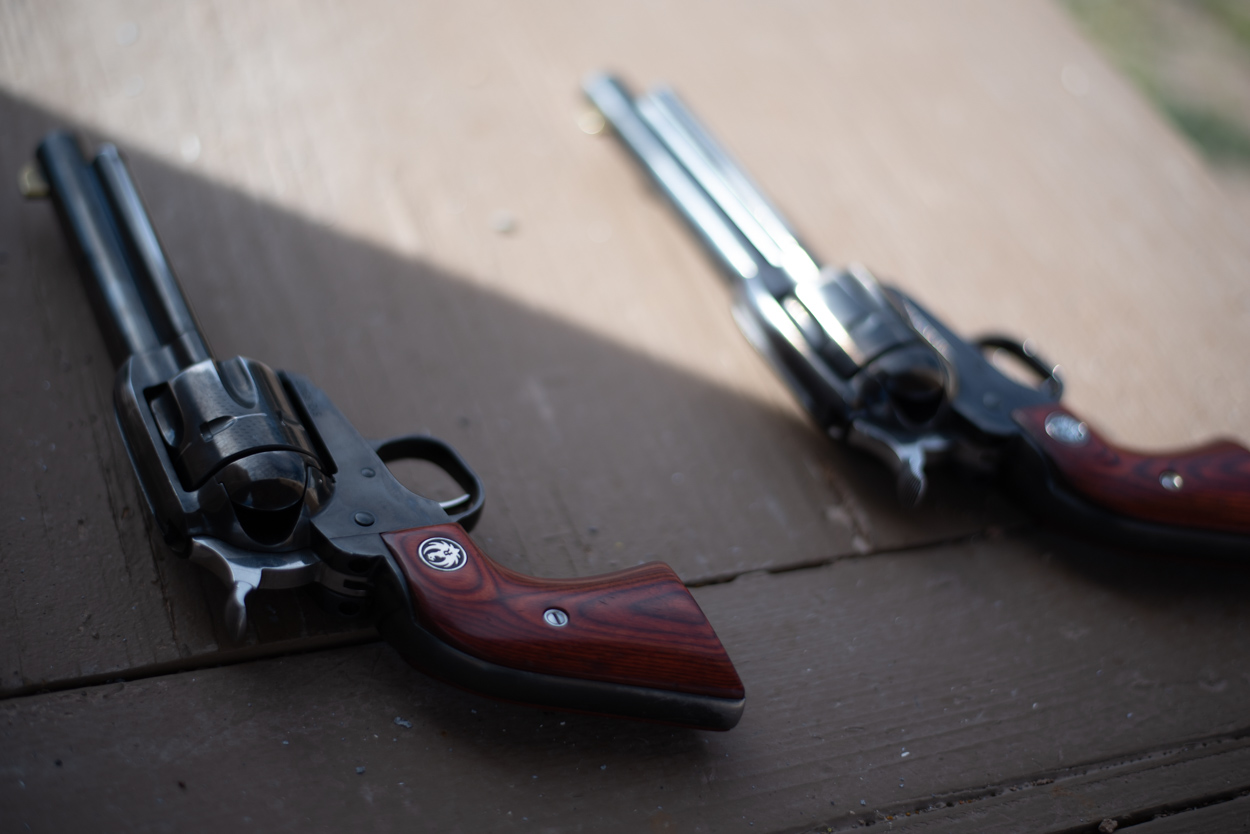
The Art of the Wheel-Gun: Safe Gun Handling With Single-Action Revolvers
There is something irreplaceable about the mechanical precision of traditional single-action revolvers. Born in the era of frontier lawmen and forged into a legendary firearm archetype, these wheel-guns offer an authentic shooting experience that modern polymer pistols simply cannot replicate.
Whether you are stepping into the historic world of Cowboy Action Shooting with the Single Action Shooting Society (SASS) community or keeping your skills sharp for modern competition, mastering safe gun handling with single-action revolvers is paramount. These iconic platforms operate on unique mechanical principles that require absolute respect, deliberate trigger discipline, and specific safety protocols.
At Cowtown Range, we believe in providing the freedom to master your craft, but that freedom rests entirely on a foundation of unyielding safety. Let’s break down the essential best practices for operating single-action revolvers responsibly.
What Are Single-Action Revolvers and Key Safety Principles?
To safely engage targets with single-action revolvers, you must first understand their foundational mechanics. Unlike modern double-action platforms or semi-automatic systems, a single-action system cannot be fired by simply pulling the trigger.
The Core Mechanics
For a single-action revolver to cycle and fire, the shooter must manually pull back the hammer to its full-cock position for every single shot.
- The Hammer’s Job: Cocking the hammer manually rotates the cylinder, aligns a fresh cartridge with the barrel, and locks the cylinder in place.
- The Trigger’s Job: Because the manual cocking action does the heavy lifting of staging the firing mechanism, the resulting trigger pull is exceptionally light and crisp.
While this crisp break makes single-action revolvers incredibly accurate and a joy to operate, it also leaves zero room for careless handling. A light trigger pull means that an accidental touch can instantly result in a discharge if the platform is cocked.
Clearing Up the Myths: Operational Realities
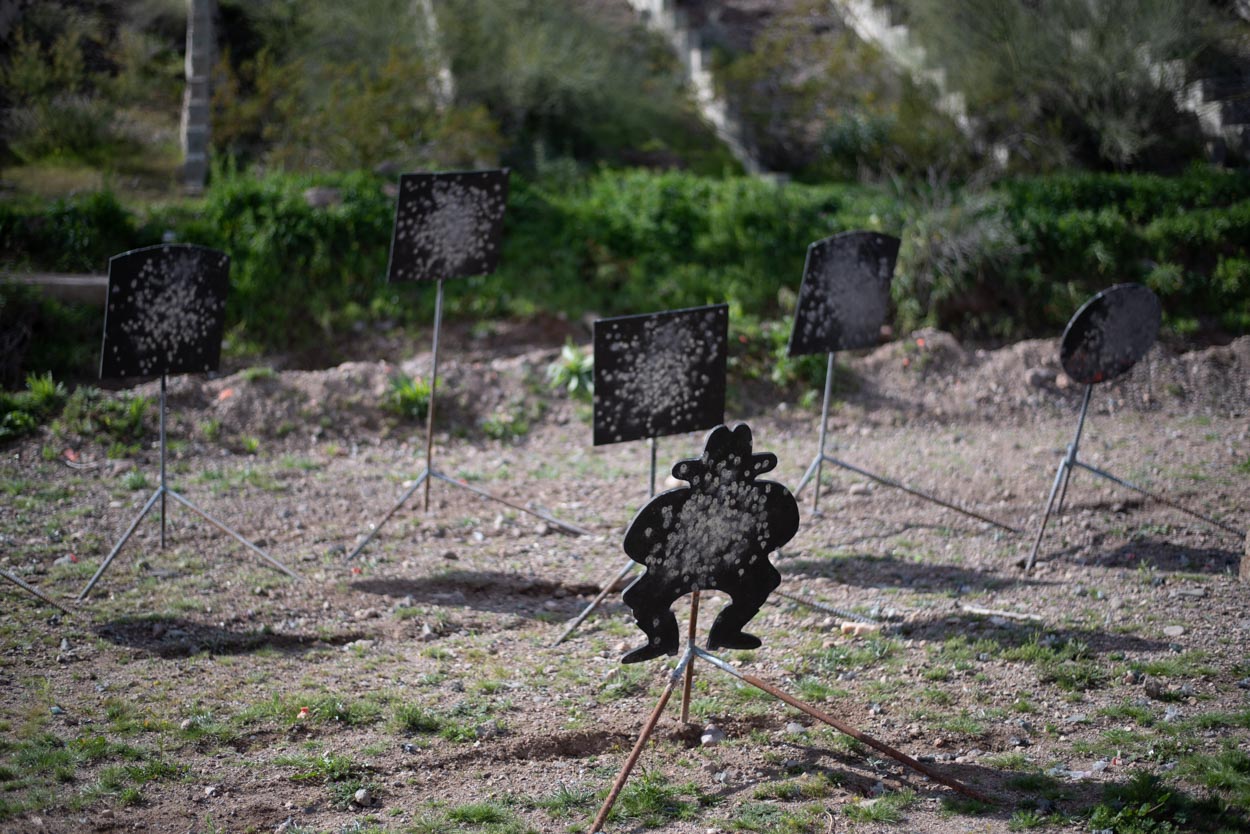
Before stepping onto the firing line, it is critical to clear up a widespread misconception regarding how these legacy platforms actually function. Shooters raised on modern double-action wheel-guns often expect a cylinder release latch that allows the entire cylinder to pivot outward.
Most single-action revolvers do not possess a swing-out cylinder. Whether you are shooting a museum-grade 19th-century original or a modern production model, single-action revolvers utilize a completely fixed cylinder. To load, inspect, or clear the chambers, you must open the hinged loading gate located on the right side of the frame directly behind the cylinder, allowing you to index and rotate each chamber individually.
Fundamental Firearm Safety Rules for the Range
Every shooter downrange must live by the core tenets of firearm safety. There are no shortcuts, whether you are running drills on your own or competing in our scheduled matches at Cowtown.
- Treat every platform as if it is loaded: This mindset eliminates complacency and ensures your mechanics remain flawless.
- Keep the muzzle pointed in a safe direction: On our range, that means consistently pointed downrange toward the berms or directly into the dirt when staging.
- Be completely aware of your target, what’s around it, and what’s beyond it: Power and ballistics demand situational awareness. Know exactly where your lead is going to land.
How to Load Single-Action Revolvers Safely
Because these platforms lack a swing-out cylinder, loading requires a methodical, step-by-step process. Rushing this sequence is where mistakes happen.
The Inspection and Loading Sequence
- Muzzle Downrange: Keep the platform pointed toward the safe impact area.
- Open the Loading Gate: Flip open the loading gate on the right side of the receiver. On traditional models, placing the hammer at “half-cock” frees the cylinder to rotate manually.
- Inspect the Chambers: Manually rotate the cylinder and look through the gate to ensure all chambers are clear of spent casings or obstructions.
- The “Load Five” Rule (The Cowboy Drop Safety): If you are operating a traditional single-action revolver without a modern transfer bar safety, never carry a round under the hammer. A sharp blow to the hammer can drive the firing pin directly into the primer of a live round.
To safely load five rounds into a six-shot legacy wheel-gun, use the classic cowboy method:
- Load one cartridge into the cylinder.
- Skip the next chamber by rotating it past the loading gate.
- Load the remaining four cartridges.
- Cock the hammer fully, and then carefully lower it. It will rest safely on the empty chamber.
Choosing Your Ammunition
Always utilize factory-spec ammunition matching the precise stamp on your barrel—most commonly historical calibers like .45 Colt or crisp modern cartridges like .357 Magnum. Inspect your brass for defects, splits, or high primers before inserting them into the cylinder.
Safe Hammer Positions and Cocking Techniques
Managing the hammer is the most critical aspect of single-action operation. Mismanaging your thumb control is a direct line to an accidental discharge.
Navigating the Notches
Traditional revolvers feature specific mechanical clicks as you pull the hammer back:
- The Quarter-Cock / Safety Notch: If you are running a traditional legacy platform without a transfer bar, the “Load Five” rule remains your true safety mechanism. If you are running a modern system equipped with a built-in transfer bar safety, you can utilize the full six-round capacity.
- The Half-Cock Notch: Opens the internal cylinder lock, allowing the cylinder to spin freely for loading and unloading.
- Full-Cock: The system is fully staged, the trigger is live, and the platform is ready to engage.
Safe Cocking Protocol
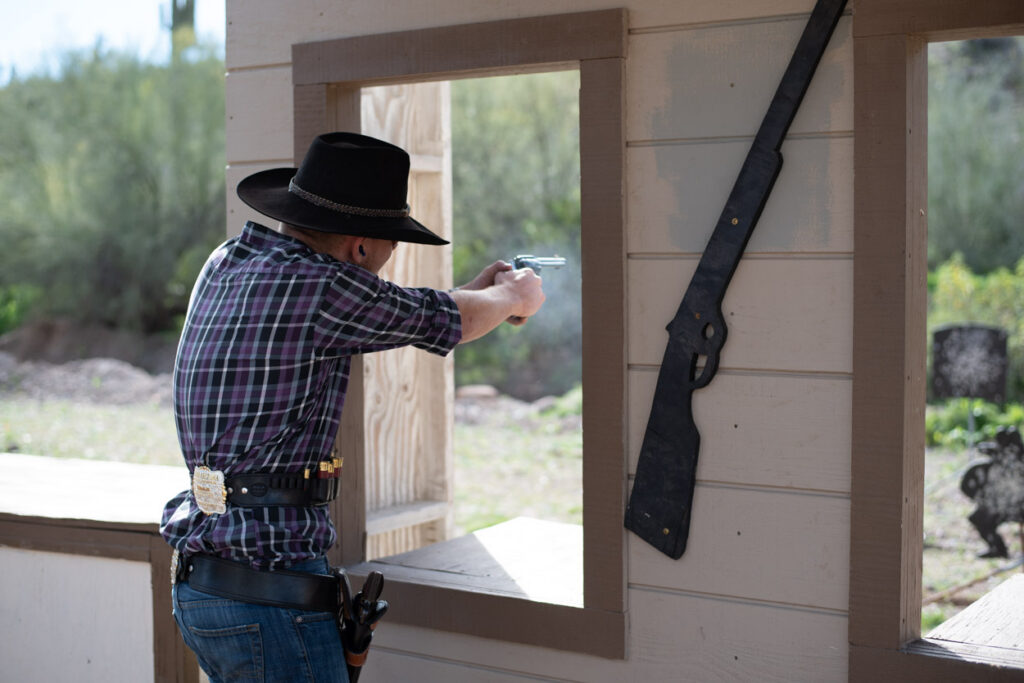
Only cock the hammer when your sights are aligned with the target, and you have made the conscious decision to send it. Smoothly pull the hammer straight back with the pad of your thumb in one continuous motion. Your trigger finger must remain straight and indexed along the frame outside the trigger guard until the hammer is fully locked back.
Mastering Trigger Discipline and Firing Protocols
Once the platform is at full-cock, trigger discipline dictates everything. Because a single-action trigger break is remarkably light, proper mechanics are vital.
- Isolate Your Finger: Keep your finger completely clear of the trigger guard while cycling the hammer.
- The Proper Press: When engaging, use the center pad of your index finger to press the trigger straight back smoothly. Avoid wrapping the joint around the shoe, which causes lateral disturbance to your alignment.
- Dry Fire Practice: Perfect your trigger press and grip stabilization by dry-firing your platform (utilizing snap caps if recommended by your manufacturer).
Handling Malfunctions Safely
If you press the trigger and experience a failure to fire (a click instead of a bang), you may be dealing with a hangfire.
- Keep the muzzle locked directly downrange toward the berm.
- Wait a minimum of 30 seconds to ensure the powder isn’t slowly smoldering.
- Open the loading gate, use the ejector rod to smoothly extract the faulty round, and inspect the primer strike.
Maintenance and Secure Storage
The high-desert terrain demands a higher standard of care—the wind, dirt, and grit mean your platforms require regular maintenance to run flawlessly.
Cleaning After the Dust Settles
Accumulated carbon and environmental fouling can cause a revolver’s cylinder to bind. Periodically clean the cylinder face, the individual chambers, the forcing cone, and the bore using specialized solvent and a brass brush. Ensure the ejector rod mechanism remains free of grit.
Secure Storage
When your training session concludes, your platform must be safely contained. Store your firearms unloaded in a locked, heavy-gauge gun safe or secure lockbox. Store your ammunition completely separate from your firearms to ensure unauthorized individuals or children never have unsupervised access.
Master Your Craft Downrange
True autonomy on the range comes from expert proficiency. We treat our shooters like adults so they can train like professionals. If you are looking for a world-class outdoor facility that offers the latitude to train the way you want without being micromanaged, learn how to become a member at Cowtown Range today.
Respect the heritage of your platform, master your mechanics, and own your shots. We’ll see you out on the firing line.
Frequently Asked Questions
What makes single-action revolvers different from double-action revolvers?
Single-action revolvers require the shooter to manually pull the hammer back to the full-cock position before every shot to rotate the cylinder and stage the trigger. A double-action revolver can pull the hammer back and release it via a single, longer pull of the trigger.
How do you safely load traditional single-action revolvers?
Traditional single-action revolvers without a modern transfer bar safety should be loaded using the “Load Five” rule. Load one chamber, skip one chamber, load the remaining four, cock the hammer fully, and lower it carefully so it rests safely over the empty chamber.
Where is the cylinder release latch on single-action revolvers?
Traditional single-action revolvers do not have a cylinder release latch. Instead, rounds are loaded, inspected, and extracted individually through a hinged loading gate located on the right side of the frame directly behind the cylinder.
What is a transfer bar safety system on single-action revolvers?
A transfer bar safety is an internal mechanism found in modern single-action revolvers that prevents the hammer from contacting the firing pin unless the trigger is pulled completely to the rear. This design protects against accidental drop discharges and allows shooters to safely carry a full six rounds.
Can you dry fire single-action revolvers for practice?
Yes, dry firing is an excellent way to master trigger discipline and grip stabilization. However, check your manufacturer’s guidelines, as some traditional firing pins require snap caps to prevent internal wear or breakage during dry fire practice.