
The Freedom to Train: What to Expect in Advanced Shooting Safety Workshops
The traditional indoor shooting lane has its limits. For the serious hobbyist, the dedicated defender, and the practitioner who respects the Second Amendment, a static environment with restrictive “one shot per second” rules eventually stifles progress. True firearms proficiency requires moving past these basic boundaries to master dynamic movement, complex target transitions, and high-pressure decision-making. Enrolling in an advanced shooting safety workshop bridges this gap, transitioning you from a recreational lane shooter into a highly capable operator who can safely navigate real-world scenario-based environments.
At Cowtown Range, our advanced training treats you like an adult so you can train like a professional, fostering an environment where self-governance and absolute accountability go hand in hand. Before you step downrange into our high-desert outdoor facility, explore this comprehensive guide to understand the elite technical skills, rigorous safety protocols, and realistic training opportunities that define our curriculum.
To secure your access to our specialized tactical bays and the 1,000-yard line, explore How to Become a Member.
1. Beyond the Basics: Core Components of Advanced Training
Advanced training shifts the focus from merely operating a firearm to mastering a comprehensive platform under dynamic conditions. While foundational courses emphasize basic marksmanship and administrative handling, advanced workshops introduce stress inoculation and fluid problem-solving.
Participants transition from predictable target shooting to fluid tactical scenarios. The curriculum is structured to build real-world capabilities through three core pillars:
The Three Pillars of Advanced Shooting Proficiency
- Stress Inoculation: Training the mind and body to maintain fine motor skills, focus, and clear judgment when heart rates spike.
- Dynamic Environments: Moving away from static lanes to engage targets while moving, utilizing barricades, and working through unconventional shooting positions.
- Technical Accuracy: Understanding the ballistics, diagnostics, and mechanical nuances of your platform to clear complex malfunctions instantly.
2. Advanced Handgun & Carbine Handling Techniques
An advanced workshop refines your mechanics, making weapon manipulation second nature. Whether running a pistol or a rifle system, the training forces you to self-diagnose errors, push your physical limits of speed, and maintain structural accountability for every round that leaves your barrel.
Handgun Manipulation & Ballistic Control
In our elite handgun training courses, the focus moves far beyond a simple draw stroke. Based on our specialized coursework, shooters master high-level operational skills:
- Concealed Carry Performance & Draw: Safely drawing, presenting, and firing from an inside-the-waistband or concealed holster under strict time constraints.
- Dynamic Visual Focus: Training your eyes to direct your vision effectively, enforcing visual focus versus general awareness during rapid target transitions.
- Unconventional Environments: Mastering one-handed operations, handheld or weapon-mounted light manipulations in low-light environments, and tactical reloads from concealed magazine carriers.
Carbine & Rifle Platform Performance
When moving from sidearms to long guns, our comprehensive rifle training curriculum demands structural stability and fluid technical execution under complex range conditions:
- Advanced Weapon Manipulations: Mastering low-light movement principles, managing photonic barriers, and executing empty-gun reloads smoothly.
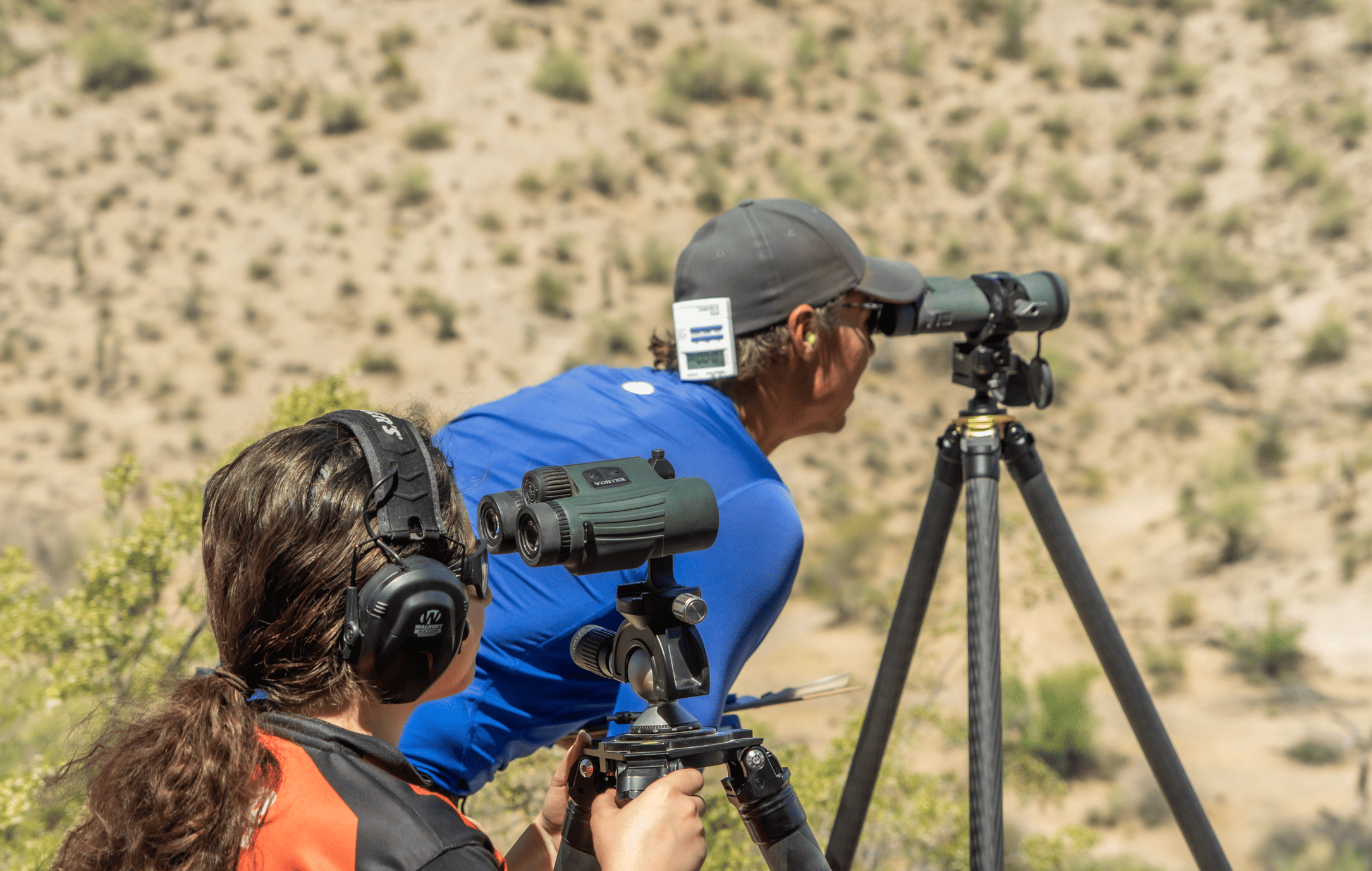
- Positional Long-Range Shooting: Working on steady, repeatable shooting stances from barricades and platforms, gathering DOPE (Data on Previous Engagements) across variable distances up to 700 yards and beyond.
- Optic & System Setup: Adjusting diopters, managing parallax, setting eye relief, and properly zeroing magnified optics or red dot systems.
3. Realistic Defensive Scenarios & Tactical Drive
Advanced workshops use realistic training scenarios to mimic potential real-world encounters. This training prepares shooters for identifiable high-desert or urban risks, testing both tactical positioning and rapid split-second judgment.
Workshop Scenarios
4. The Cowtown Safety Ethos: Self-Governance Downrange
Standard commercial facilities enforce safety through restrictive policing and constant micromanagement. At Cowtown Range, our safety culture is rooted in mutual respect, clear-cut professional expectations, and the maturity of our community.
The Responsibility of the Operator
We treat you like adults so you can train like professionals. In our advanced shooting safety workshops, safety protocols are integrated directly into the tactical movement rather than stopping it. Shooters are expected to understand the mechanical reality behind every safety guideline and apply them flawlessly in real-time.
Expert Oversight Without Micromanagement
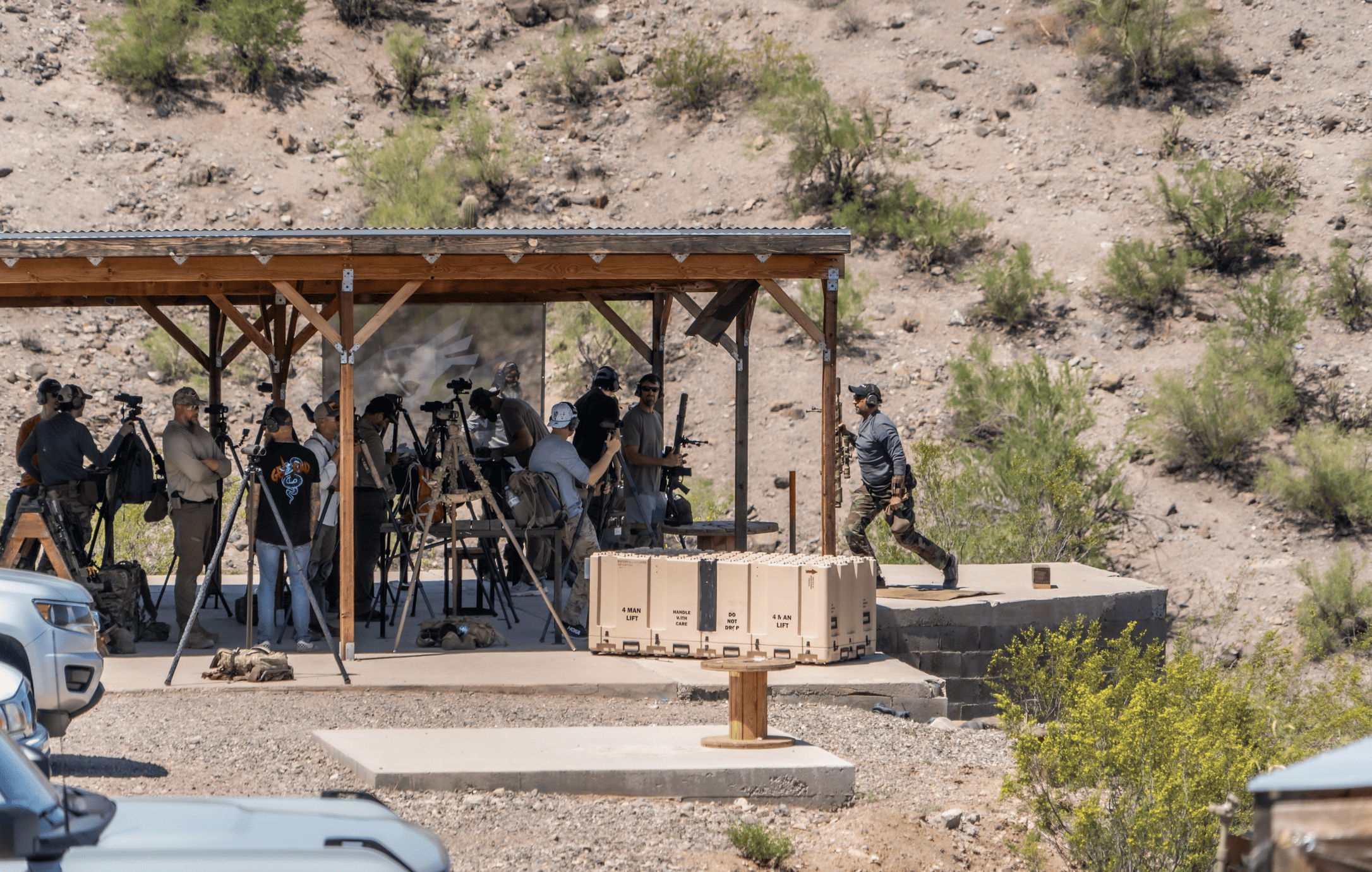
Our ranges are managed by seasoned professionals, including former Military and Law Enforcement officers who understand real-world application. Rather than shouting restrictive orders, they act as mentors. Range personnel actively monitor the environment to preserve safety, run emergency response drills, and provide technical guidance—allowing you the autonomy to push your skills safely.
5. Precision Rifle & Specialty Training Integration
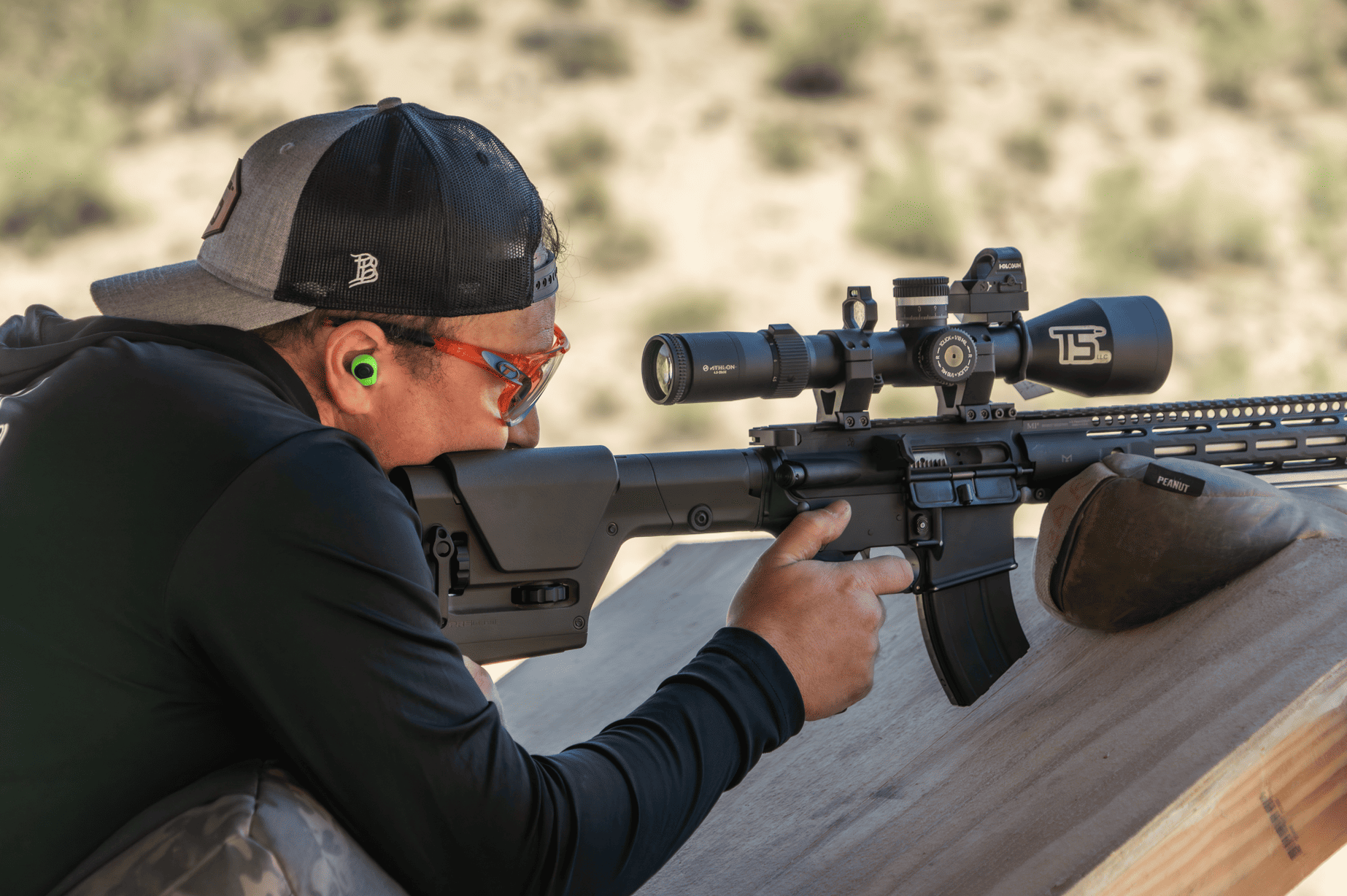
For shooters looking to push their platforms to extreme distances, advanced safety workshops lay the groundwork for long-range precision. True mastery at extended distances requires combining firearm handling with environmental science.
Our specialized precision training program stretches your capabilities out to the 1,000-yard line, requiring advanced ballistics knowledge, wind-calling, and tracking target acquisition:
- Precision Rifle 2 (PR2): Moving past basic components into advanced ballistics, wind holds, positional shooting, and advanced tactics for consistency at distance.
- Precision Rifle 3 (PR3): An advanced course covering target acquisition, field craft, unknown distance engagements, and unconventional positional shooting.
For those interested in tailored applications, custom team dynamics, or unique tactical disciplines, we integrate these long-range fundamentals into our highly customized specialty courses.
6. Preparation & Required Equipment Checklist
Advanced training requires your equipment to perform under demanding conditions. Malfunctions caused by poor maintenance or incorrect gear waste valuable training time. Ensure your platform is fully vetted, cleaned, and lubricated before arriving at the bay.
Required Course Equipment
- Handgun / Carbine / Rifle System: Fully operational, cleaned, and zeroed platform.
- Ammunition: 200 to 400 rounds of quality, factory-spec practice ammunition (depending on the specific course syllabus).
- Holster / Magazine Pouches: Outside-the-waistband (OWB) or inside-the-waistband (IWB) holsters that maintain their structural shape; 2 to 3 functional magazines.
- Personal Protection Gear: Wrap-around ear protection (electronic recommended) and impact-rated eye protection.
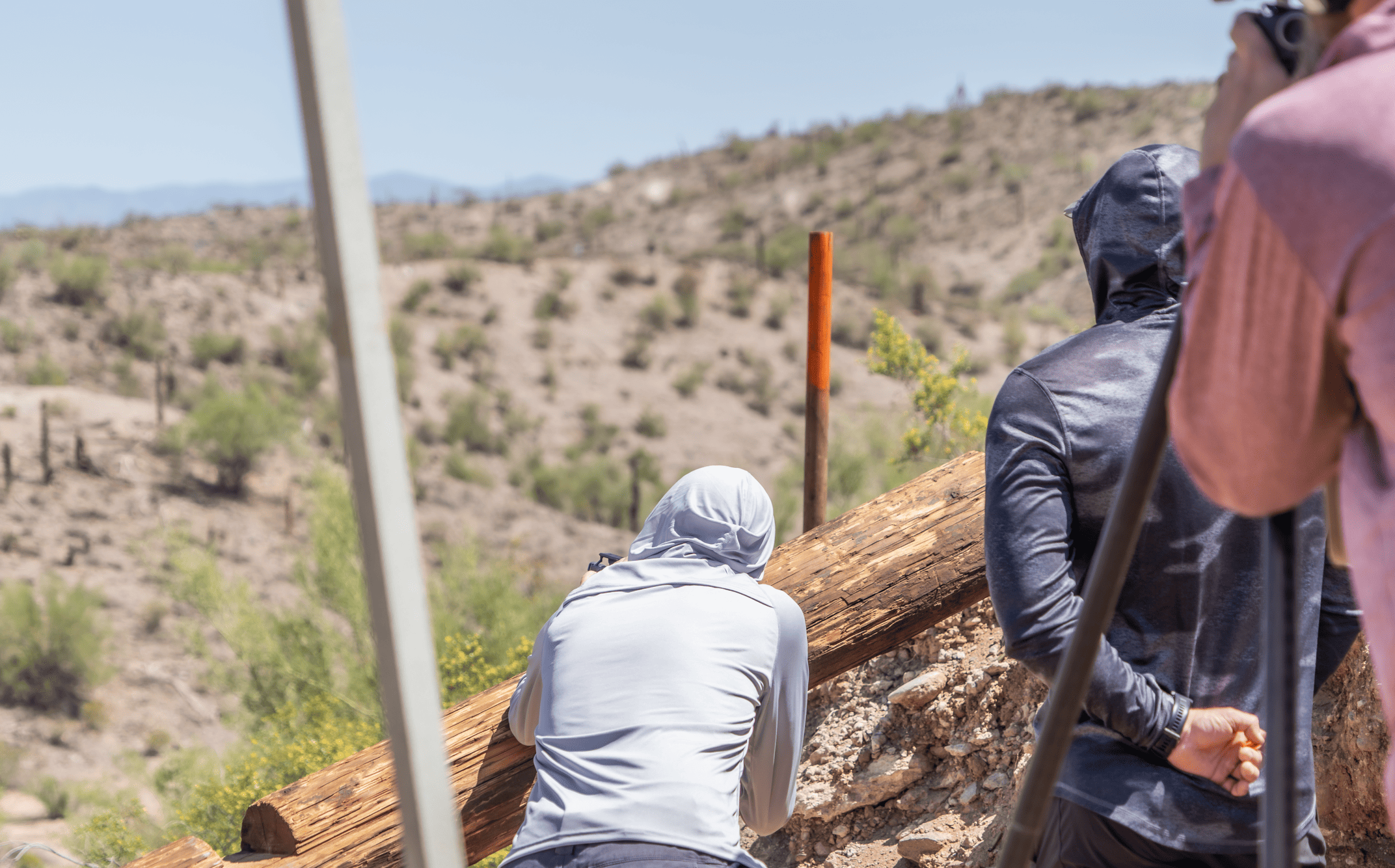
- High-Desert Essentials: Weather-appropriate clothing (long sleeves and pants preferred), durable closed-toe footwear, a hydration system, and sun block.
Own Your Training: Step Up to the Firing Line
True shooting proficiency cannot be memorized; it must be forged through sweat, grit, and deliberate practice on the deck. Advanced shooting safety workshops offer an unparalleled opportunity to train alongside a dedicated community of like-minded shooters and learn from real-world instructors.
Don’t let your hard-earned skills fade. Respect the craft, take ownership of your training, and step out onto the bays at Cowtown Range.
Frequently Asked Questions About Advanced Shooting Courses
What is covered in an advanced shooting safety workshop?
An advanced shooting safety workshop covers dynamic weapon manipulations, stress inoculation, target transitions, low-light operations, and defensive movement strategies under real-world scenarios. Unlike basic courses that focus on static marksmanship, advanced workshops teach operators how to safely manage their platform while moving, utilizing barricades, and clearing complex malfunctions under pressure.
What are the safety rules for advanced range training?
Advanced range safety rules focus on absolute muzzle discipline, finger isolation, spatial awareness, and dynamic downrange accountability. At Cowtown Range, safety protocols are built directly into tactical movements. Rather than using restrictive rules that halt training, safety is maintained through a culture of participant self-governance and oversight by veteran Range Safety Officers.
What gear do I need for an advanced firearm handling course?
For an advanced course, you need a vetted handgun, carbine, or rifle system; a high-retention holster or magazine pouches; 200 to 400 rounds of factory-spec ammunition; eye and ear protection; and high-desert environmental gear like long sleeves, pants, durable boots, and a hydration system. Equipment must be fully cleaned and lubricated before arriving at the bay.
Who oversees range safety during dynamic shooting drills?
Dynamic shooting drills are overseen by highly qualified personnel and veteran instructors, including former Military and Law Enforcement operators. These safety professionals actively monitor range activities, run regular emergency response drills, and act as mentors to ensure a secure environment without micromanaging experienced shooters.
What is the difference between basic and advanced firearms training?
Basic firearms training focuses on administrative handling, basic marksmanship fundamentals, and standard range rules from a fixed shooting bench. Advanced training introduces real-world variables, requiring shooters to engage multiple targets on the move, shoot from unconventional positions, manage low-light environments, and maintain self-governance downrange.