
Lock and Load: Finding the Best Shooting Range Training Certifications
When you start hunting for high-tier firearms training certifications, you are almost always met with a wall of dry, textbook jargon and sterile indoor environments. It leaves serious practitioners with a critical question: how do you separate actual, field-tested operational training from standard, static courses that just amount to boring, check-the-box seminars?
True training requires a relentless focus on three distinct variables: a functional curriculum, seasoned mentors, and a dynamic environment. Before you ever step onto a hot deck, you need to look past the generic paper credentials and evaluate the real-world application behind the instruction.
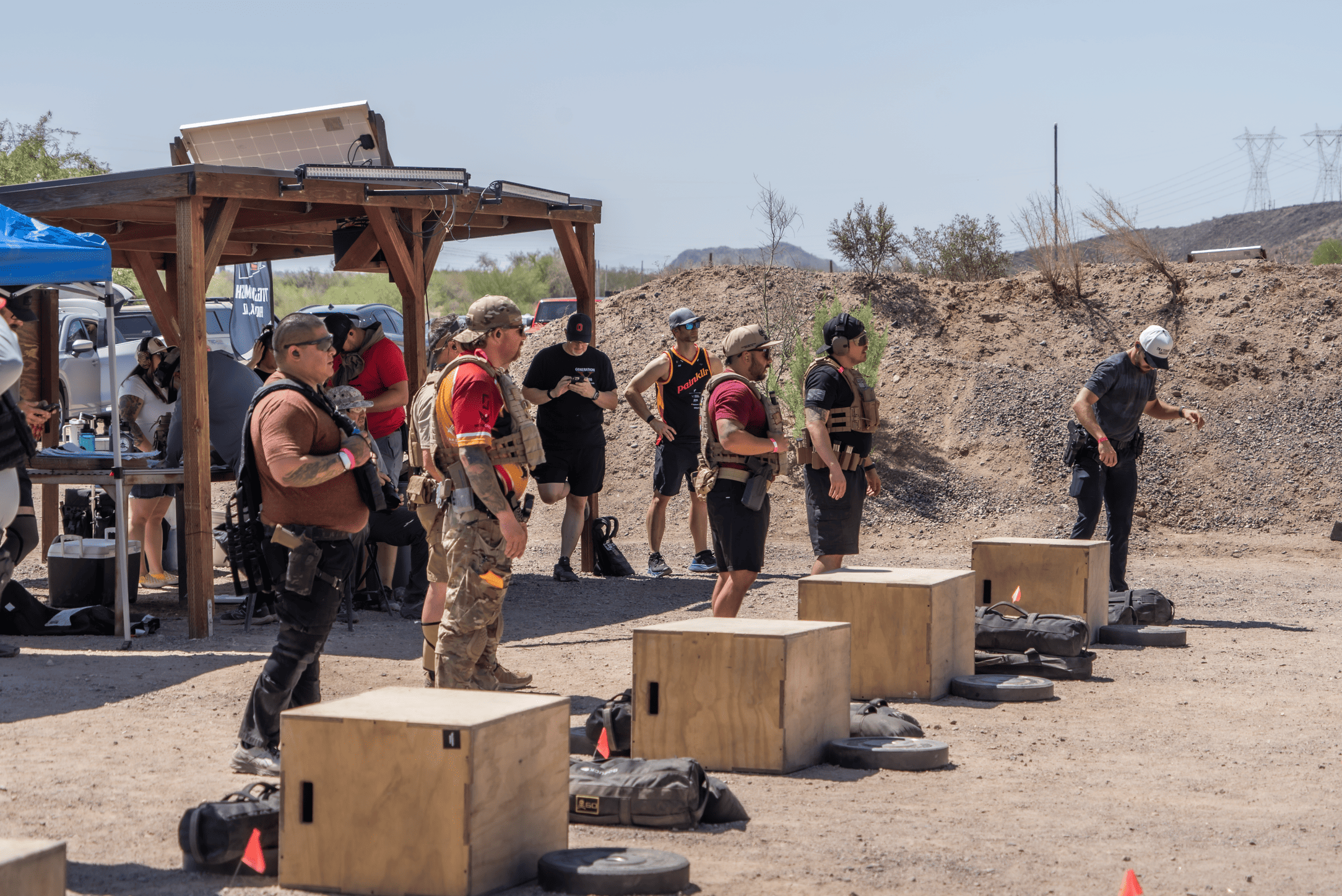
At Cowtown Range, we build that training architecture entirely on proven backgrounds, absolute competency, and zero shortcuts. Whether you’re a novice picking up a platform for the first time or a seasoned hand looking to sharpen your edge, firearms safety here isn’t a passive lecture—it’s the foundational fabric of everything we do.
To help you navigate the noise, let’s break down the exact blueprint of what to look for in a functional curriculum, how to verify true operational mentorship, and why the right training environment changes everything.
The Blueprint: Key Types of Firearm Certifications
Not all training is built for the same objective. A credential that qualifies you to stand in a cramped indoor booth won’t cut it when you are pushing your system out to 1,000 yards or navigating a dynamic, multi-target environment. Your training architecture needs to match your lifestyle and operational demands.
Who Sets the Standard?
While baseline regulatory bodies lay down the bare-minimum safety frameworks, elite shooters look to specialized facilities like Cowtown Range to build custom, intensive training paths. Your course should directly match your specific operational goals:
- Handgun Foundations & CCW: Focuses on clean draw strokes, precise muzzle management, efficient reloads, and real-world defensive posture.
- Carbine & Tactical Applications: Covers platform transitions, running a sling, clearing malfunctions on the move, and keeping your system up under pressure.
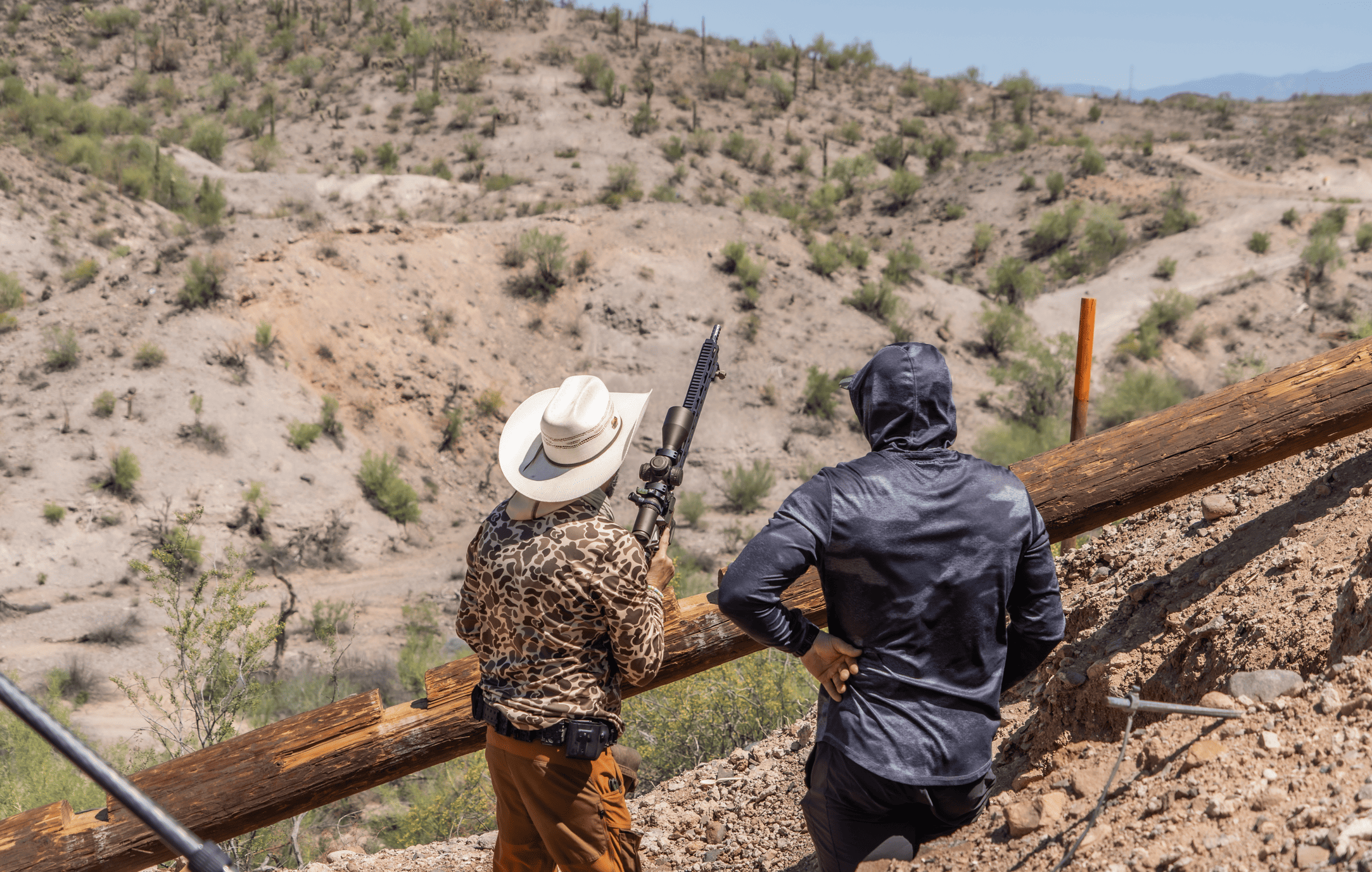
- Precision Long-Range: Built entirely around advanced ballistics, reading the high-desert wind, gathering structural Data On Previous Engagements (DOPE), and maximizing platform stability.
Instructor Credentials: The Line Between Theory and Reality
Certified instructors shouldn’t just echo basic safety rules from a script; they must master the mechanics of human performance under stress.
The Cowtown Standard: True mentors diagnose a shooter’s mechanical errors in real time—whether it’s an anticipated flinch, poor recoil management, or tracking a red dot—and apply immediate, actionable corrections. Advanced instruction expands standard safety protocols into comprehensive safety management, giving you the autonomy to train like a professional.
Not all in-person courses are created equal. Standing inside a sterile indoor booth, poking holes in paper at three yards, cannot prepare you for real-world performance.
Maximizing Your Value: Cowtown’s Specialized Curricula
If you’re looking for the absolute peak of training certifications, our specialized tracks provide the liberty to master your craft. Every course is engineered for real-world execution under stress.
1. Precision Rifle Tracks
For long-range operators focused on extreme distance, our curriculum breaks down advanced ballistics across open canyons, eliminating the guesswork of long-range performance. This multi-tiered track builds absolute stability from basic setup to competitive matches, teaching you to calculate complex atmospheric shifts, read high-desert wind, and gather structural DOPE on dynamic terrain. You can lock down your positional stability and push your platform to its absolute limits by registering through our precision training courses.
2. Rifle and Carbine Training
Mastering a semi-automatic carbine demands efficient mechanical habits that remain rock-solid under tight time constraints and intense physical movement. This distinct curriculum focuses heavily on tactical workspace management, teaching shooters how to fluidly clear complex malfunctions, execute clean platform transitions, and maintain recoil control while moving. If you are ready to build real muscle memory and stay up under pressure, look into our dedicated carbine and rifle training.
3. Tactical Handgun Mastery
Carrying a defensive sidearm requires a firm command over real-world mechanics, far beyond poking holes in stationary paper at three yards. This track runs shooters through intense, five-hour evolutions focusing on rapid draw presentations, clean sight tracking, low-light execution, and red-dot optimization under stress. You can refine your everyday carry capabilities and build functional, immediate problem-solving skills through our handgun training tracks.
4. Specialty and Carbine Workshops
High-intensity disciplines like competitive practical shooting and closed-enrollment tactical mastery demand deep focus, extreme speed, and strict mechanical accuracy. These advanced courses throw you into over twenty hours of comprehensive training, challenging your self-diagnostic skills with complex multi-target transitions, unorthodox barricades, and demanding shooting tests. To step outside your comfortable routine and experience true operational pressure, discover what we offer on our specialty courses page.
Keeping Current: Sustaining Your Proficiency
An elite certification isn’t a one-and-done lifetime pass. The skills you build are perishable; keeping your edge sharp requires dedication. Per the standards of major recognized bodies, standard safety and instructor credentials are typically valid for 2 to 3 years.
- Skill Retention: If you aren’t sending lead downrange regularly, your reaction times and mechanical accuracy fade.
- Evolving Context: Local regulations regarding concealed carry and self-defense parameters evolve.
- Technological Shifts: Adopting modern setups requires proper mechanical adaptation, from the integration of pistol red dots to advancing optical platforms.
To ensure your skills remain second nature, prioritize continuing education. If you want a tailored, hyper-focused environmental progression without the distractions of a group, dial in your individual skills with our private training options.
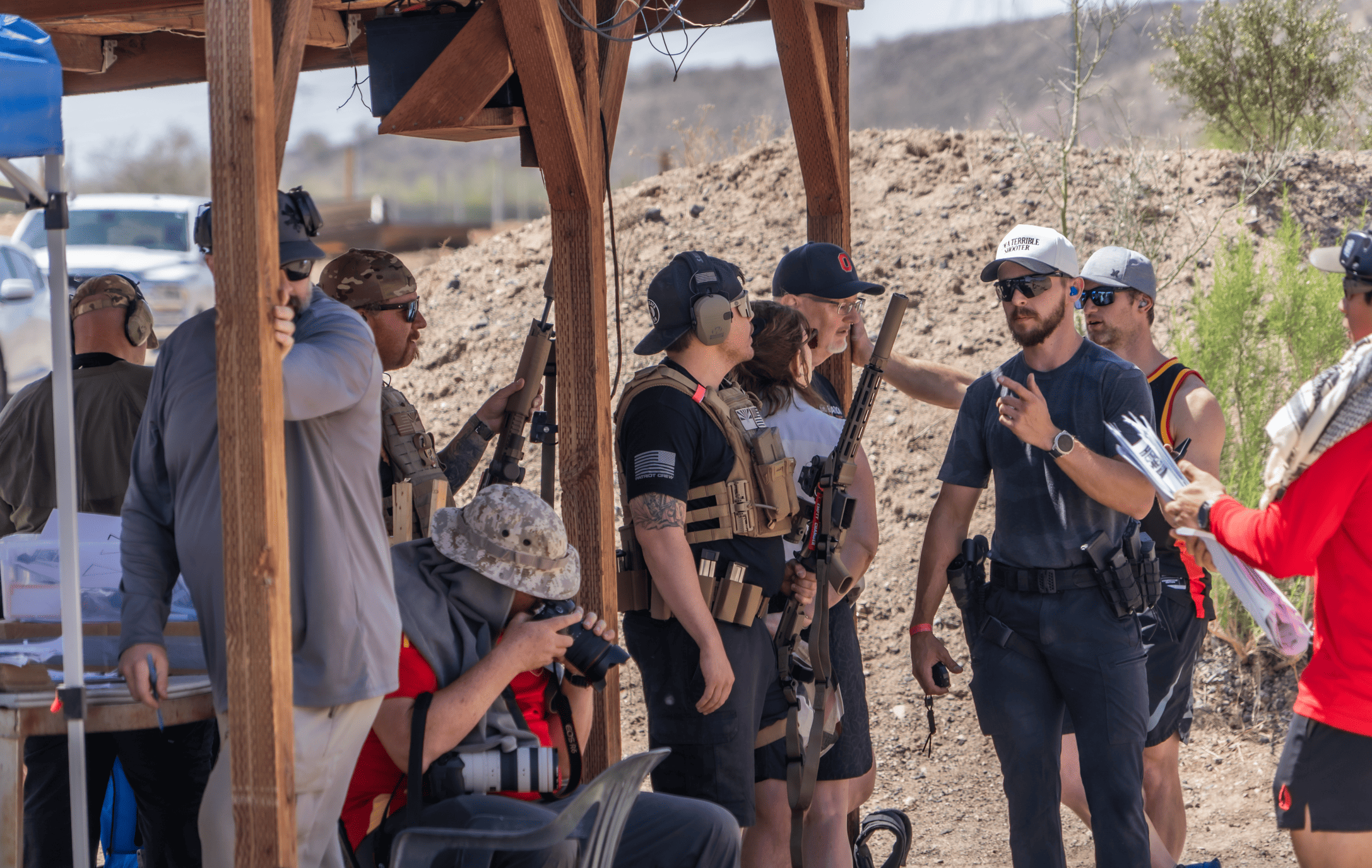
The Verdict: Work Hard, Train Right
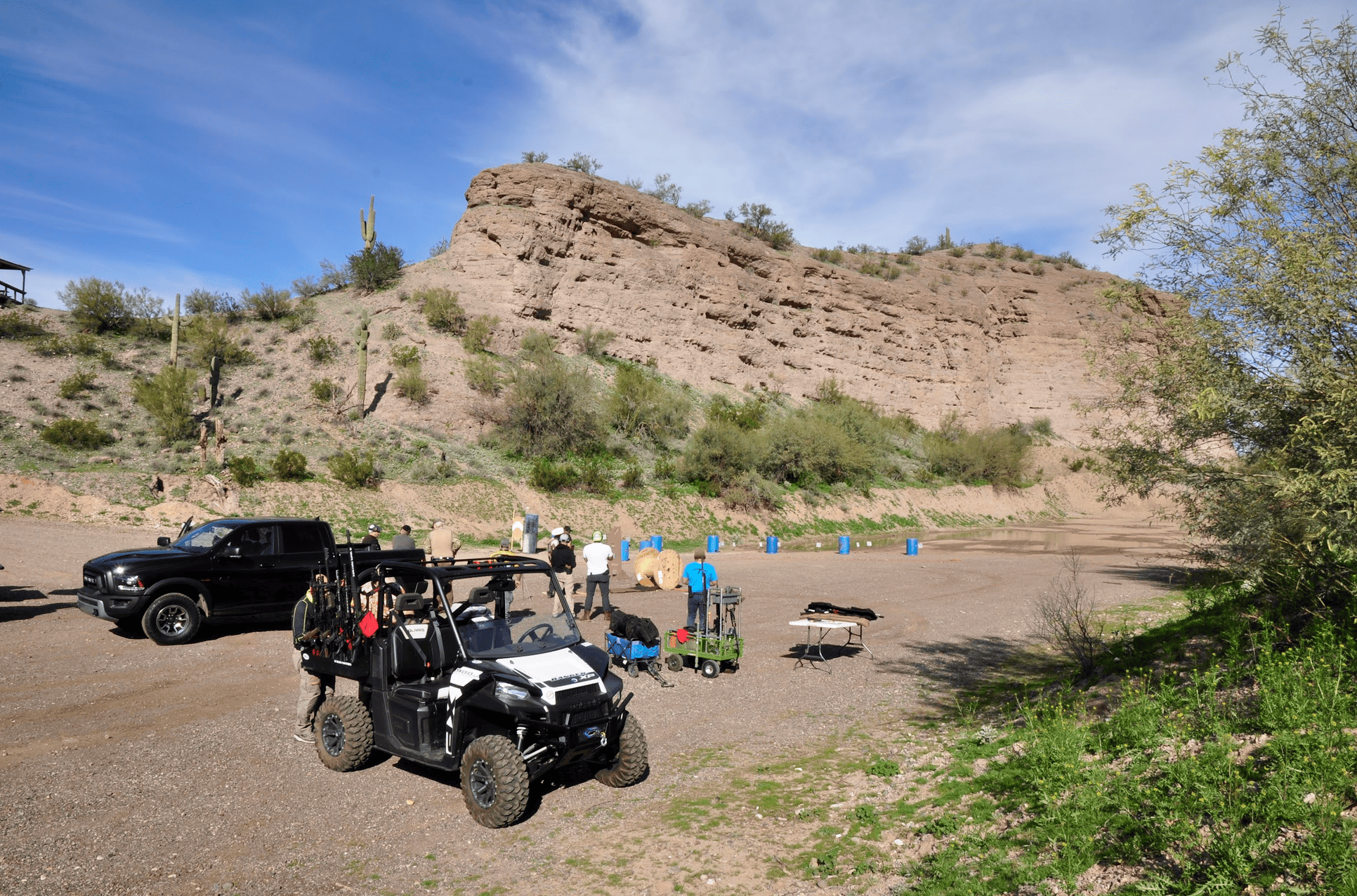
When you are hunting for the best training certifications, don’t look for the easiest shortcut or a cheap piece of paper. Look for real authority, a facility forged through decades of operational history, and mentors who actually live the lifestyle. Your proficiency is a perishable asset—don’t let it fade. Step away from the static indoor lanes, get out onto our open-air desert bays, and secure your freedom to train.
Frequently Asked Questions (FAQ)
What are the best shooting range training certifications for long-range precision?
The best long-range precision shooting range training certifications focus heavily on atmospheric metrics, wind-reading formulas, gathering structural DOPE data, and platform stability rather than basic firearms handling. Advanced open-air certifications, such as the multi-tiered Precision Rifle tracks (PR1 through PR3) offered at premier outdoor facilities like Cowtown Range, are considered the industry standard for extreme-distance mastery.
Why are in-person shooting range training certifications better than online gun safety courses?
Online certificates satisfy baseline legal classroom hours in some areas but cannot build the critical muscle memory, recoil control, or rapid tactical manipulation developed on a hot deck. Elite in-person shooting range training certifications provide immediate, real-time feedback from live instructors who fix grip and stance errors under dynamic range conditions.
How long are certified shooting instructor and range safety certifications valid?
Most high-tier shooting range training certifications and firearms safety instructor credentials are valid for a duration of 2 to 3 years before requiring renewal. Mandatory recertification updates shooters on evolving concealed carry regulations, prevents perishable skill degradation, and ensures proficiency with modern equipment like red dot optics.