
Beyond the Static Lane: Why Advanced Shooting Safety Workshops Are Essential for Serious Marksmen
For the serious shooter, there comes a time when traditional indoor shooting lanes no longer cut it. Standing in a narrow booth, waiting one second between shots, and firing at a static paper target 15 yards away will not prepare you for real-world scenarios. True mastery of your platform requires dynamic movement, rapid target engagement, and highly developed situational awareness.
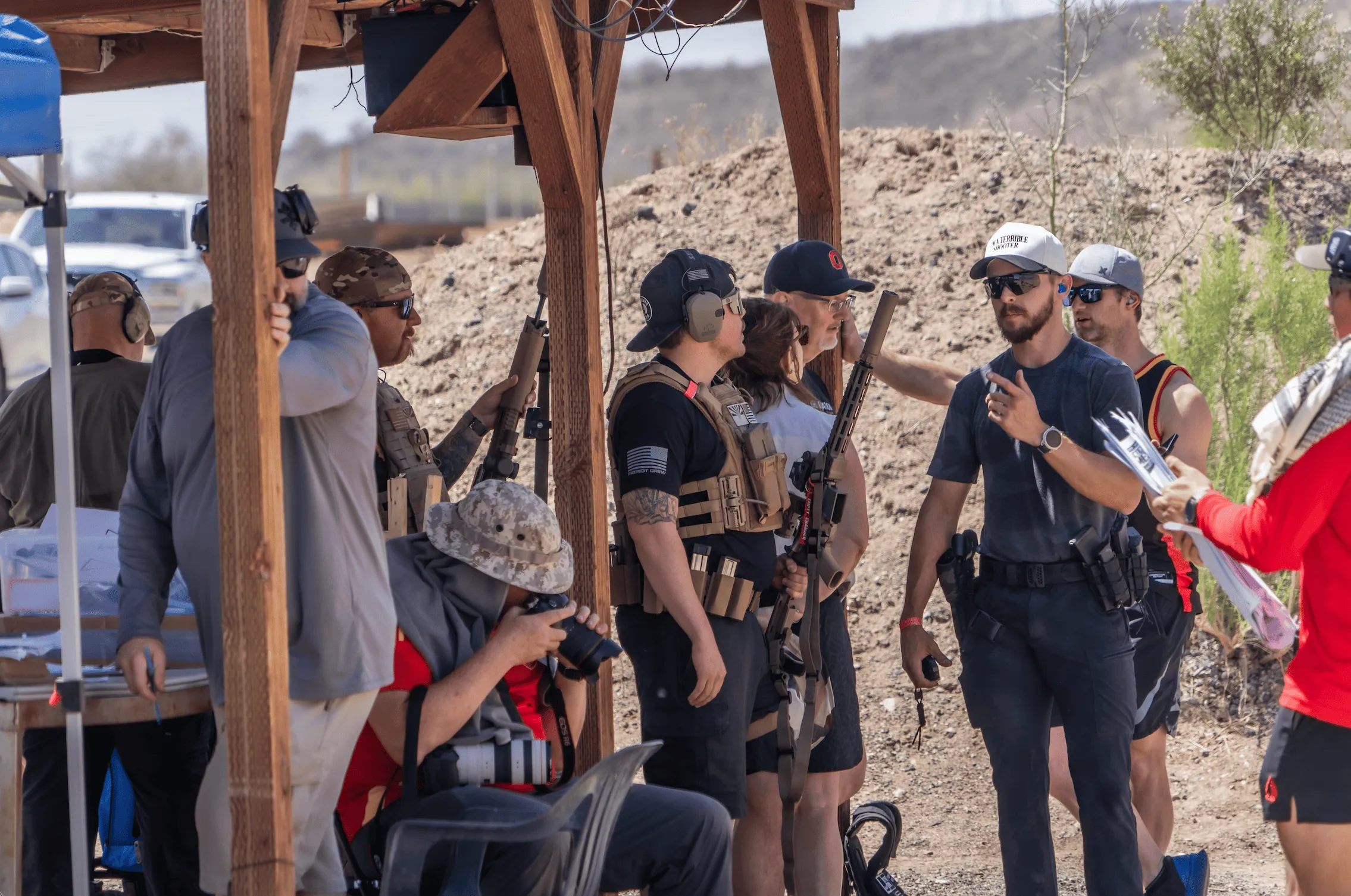
At Cowtown Range in Peoria, Arizona, we provide the terrain and the expert instruction required to push your skills further. Our 78-acre high-desert facility is designed to transition experienced operators from static marksmanship to dynamic proficiency. To bridge this gap safely, experienced shooters turn to advanced shooting safety workshops to ensure that their platform handling remains flawless when movement, stress, and multiple targets are introduced.
If you are ready to move past basic lane shooting and unlock the full potential of your firearms training, learn how to become a member to join a community of like-minded individuals.
What Separates Advanced Shooting Safety Workshops From Basic Range Time?
Basic range safety focuses on the core fundamentals of safe firearm handling, such as keeping your finger off the trigger until you are ready to engage, and keeping the platform pointed in a safe direction.
In a dynamic training environment, these rules must be active, subconscious habits, not passive guidelines. When you are moving between cover, engaging multiple targets, or negotiating physical obstacles, you cannot afford to hesitate or think about where your muzzle is pointing. It must be second nature.
Advanced safety workshops focus on maintaining absolute control under physical and mental stress. Our expansive shooting bays allow for 180-degree engagement angles and shooting on the move. These exercises require a level of discipline that traditional indoor ranges simply cannot accommodate or teach.
Inside the Tier 3 Workshops: Mastering Elite Mechanics
If you want to know whether your weapon handling is truly subconscious, you test it under movement, distance, and environmental pressure. At Cowtown Range, our Tier 3 advanced workshops are intensive curricula designed to push both operator and platform to their limits. These courses move entirely away from static shooting, focusing heavily on your ability to maintain absolute accountability for every round sent downrange.
These courses do not simply ask you to shoot faster; they force you to solve complex tactical and ballistics problems in real time. Depending on your chosen discipline, our advanced catalog offers specialized tracks to stress-test your skills:
1. Precision Rifle 3 (PR3) – Advanced Precision Rifle
This comprehensive, two-day training takes you far beyond the flat range, refining your advanced ballistics knowledge and field craft.
-
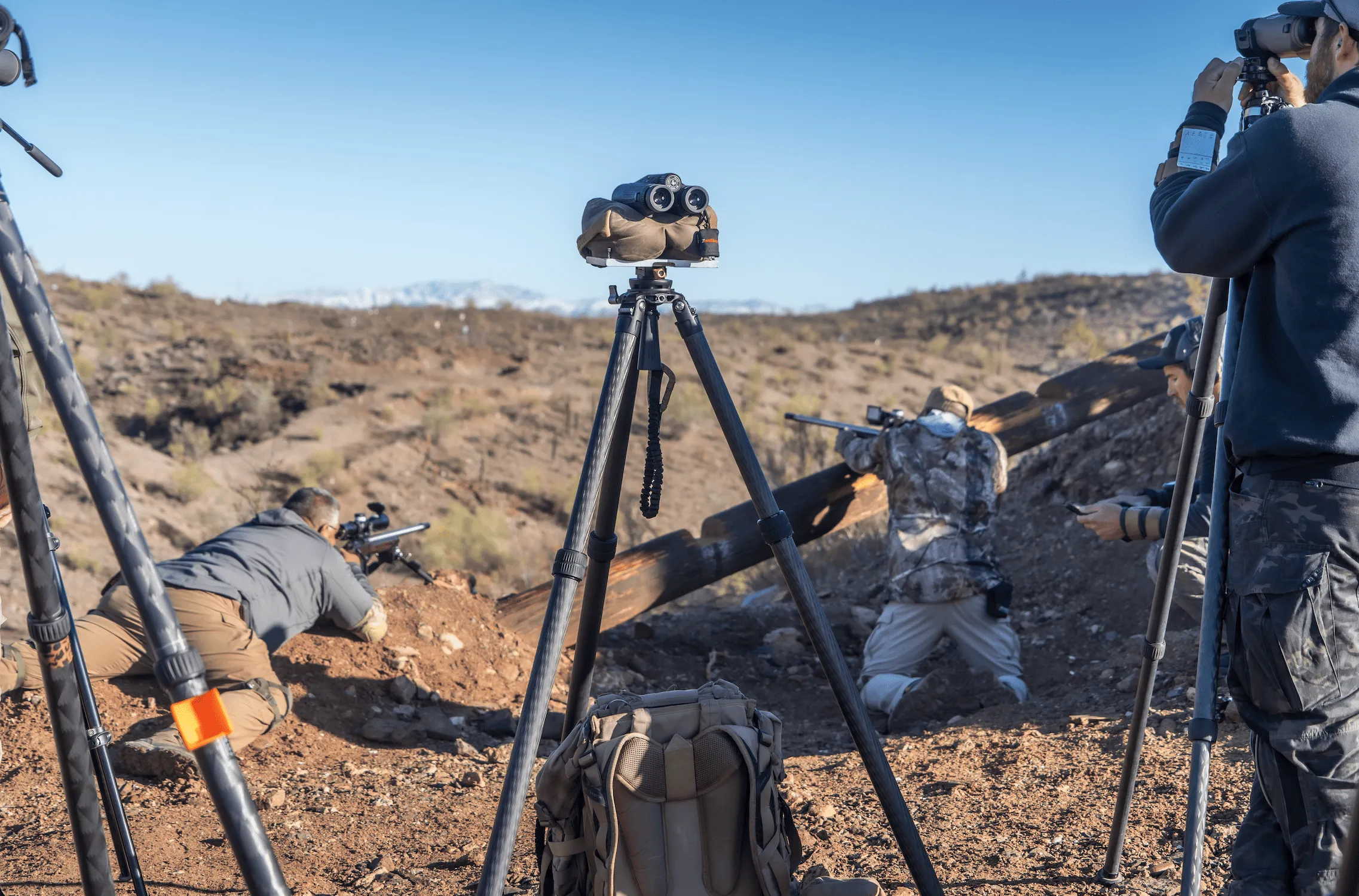
The Curriculum: Focuses on advanced ballistics, target identification, shooter/observer communication, and target acquisition. Students apply specialized techniques for multiple target engagements, unknown distance engagements, unconventional positional shooting, and advanced tripod employment.
-
Prerequisites: Precision Rifle 1 and 2, or equivalent Military/Law Enforcement experience.
2. Carbine 3 – Defensive Carbine
A demanding five-hour defensive carbine workshop designed to build rapid target engagement skills in various situations. This rifle training is built to test your mechanics while establishing stable, consistent shooting positions under stress.
-
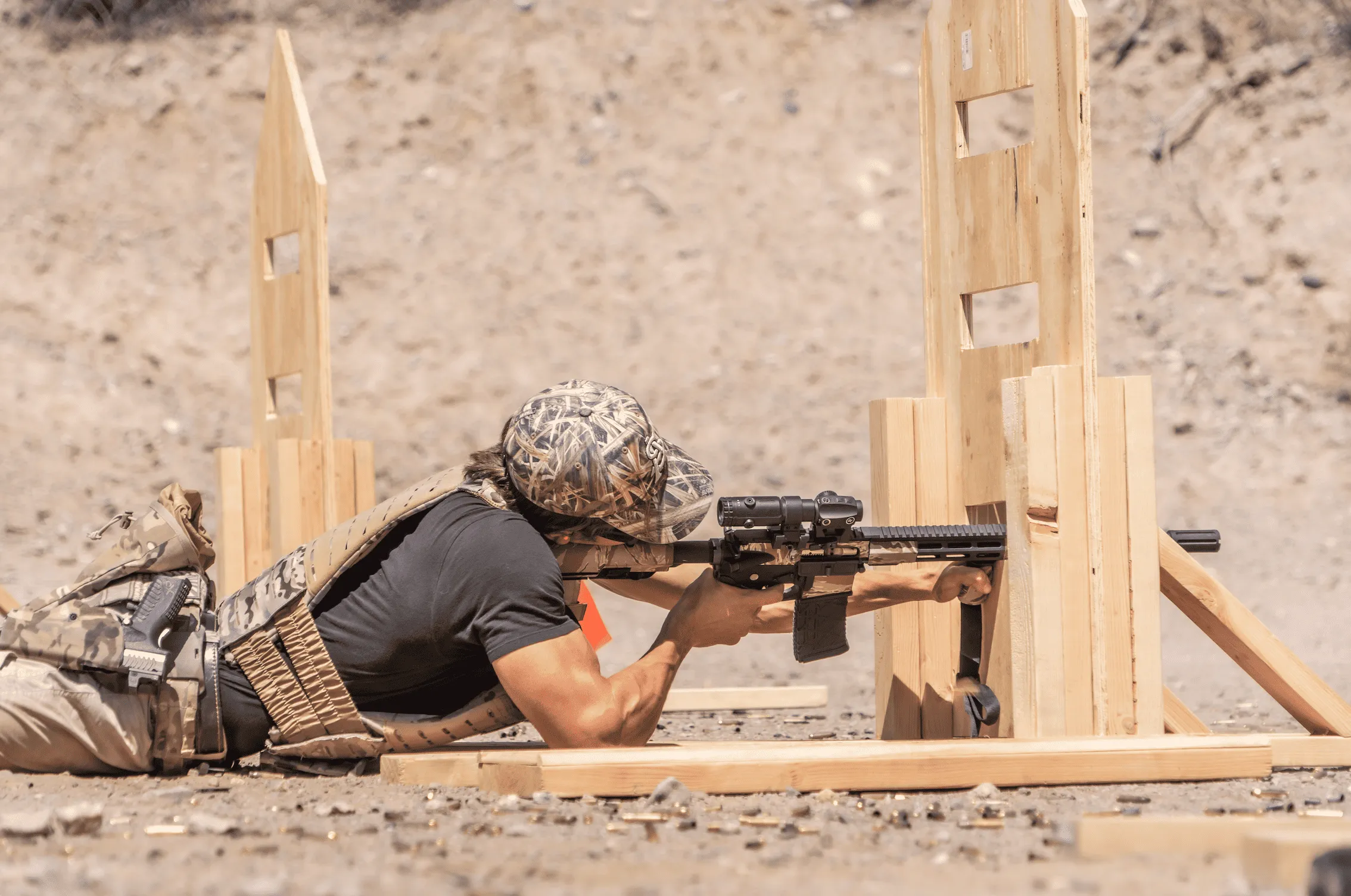
The Curriculum: Focuses on shooting on the move, target transitions while moving, and engaging multiple targets while moving. You will discuss space management and build stable, consistent shooting positions utilizing barricades and barriers.
-
Prerequisites: Carbine 1 and 2, or equivalent Military/Law Enforcement experience.
-
Required Loadout: Semi-automatic rifle, magazine pouch, 2 to 3 rifle magazines, eye/ear protection, a minimum of 400 rounds of practice ammunition, and note-taking material. An optional shooting mat is highly recommended.
3. Handgun 3 – Defensive Handgun
This five-hour course provides shooters with advanced, dynamic techniques for rapid target engagement across varying distances and difficulty levels. The primary focus is developing high levels of accountability at speed under demanding situations.
-
The Curriculum: Covers shooting on the move, target transitions while moving, engaging multiple targets while moving, and mastering the space management skills needed to effectively utilize your firearm while creating distance from a threat.
-
Prerequisites: Handgun 1 and 2, or equivalent Military/Law Enforcement experience.
-
Required Loadout: Semi-automatic handgun, quality holster, magazine pouch, 2 to 3 handgun magazines, eye/ear protection, note-taking material, and a minimum of 400 rounds of practice ammunition.
Static vs. Advanced Dynamic Training
The table below breaks down the functional differences between typical recreational lane shooting and the skills developed during our advanced safety workshops.
The Core Pillars of Advanced Safety in Motion
When you step out of the static lane and into an advanced scenario, the mechanics of safety change. Whether you are running a defensive handgun, a carbine, or a precision rifle, you must stack your skills systematically so that safety and speed develop together. Our advanced workshops are built around four core operational pillars:
1. Dynamic Muzzle Awareness and Spatial Control
Keeping your muzzle pointed in a safe direction is simple when you are standing still. It becomes highly complex when you are moving around barricades, setting up tripods, or transitioning between targets. Advanced safety training ensures you maintain strict spatial awareness during physical movement, protecting your own body, physical obstacles, and your fellow shooters in the bay.
2. Unconventional Positional Stability
Real-world scenarios rarely offer a flat bench or a perfectly balanced stance. Mastery of your platform requires building stable, safe, and repeatable shooting positions from non-standard platforms. Our workshops teach you how to safely utilize barricades, barriers, and advanced tripod systems to secure stable points of contact without compromising your safe firearm handling.
3. High-Velocity Target Acquisition and Transitions
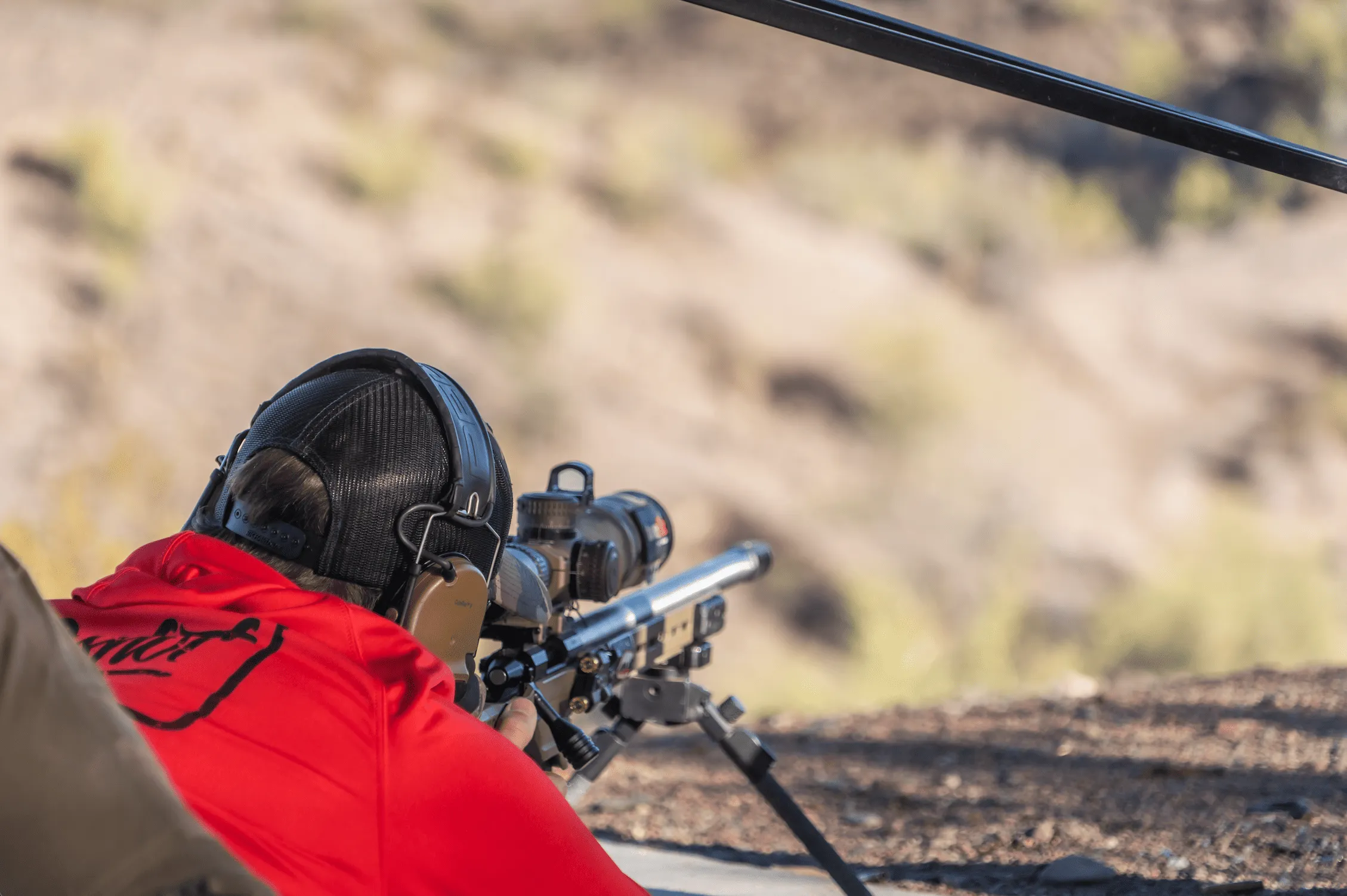
Engaging multiple targets across varying distances requires efficient physical mechanics and rapid visual processing. Advanced shooters must master the safe presentation of their platform and clean target transitions. This ensures you can rapidly track, identify, and engage targets of varying difficulty at speed while maintaining perfect trigger finger discipline.
4. Continuous Operational Accountability Under Stress
True proficiency is maintaining absolute cognitive control when physical and mental stress are introduced. You must be able to calculate advanced ballistics, communicate effectively with an observer, manage physical space, and run your platform’s manual of arms subconsciously. This absolute accountability ensures that even under rapid-fire conditions, every single round sent downrange is accounted for and safe.
Common Mistakes Advanced Shooters Must Actively Avoid
Even highly experienced shooters can fall into bad habits if they do not regularly stress-test their skills. To keep your edge sharp, watch out for these training pitfalls:
-
Training Exclusively in Comfort: If you only shoot in indoor controlled environments, your skills will plateau. Real-world proficiency requires training in the wind, heat, and dust of an outdoor facility — including low-light and night-fire conditions that indoor ranges cannot replicate.
-
Prioritizing Speed Over Accountability: Fast misses are useless. Your primary focus must always be on maintaining high levels of accountability at speed, ensuring every round hits its intended target.
-
Resisting Feedback: The best operators are lifelong students. Working under the supervision of certified Range Safety Officers and elite instructors ensures that unsafe habits are identified and corrected before they become deeply ingrained muscle memory.
Operational Readiness: The Cowtown Standard
Running high-speed drills with 180-degree engagement angles requires absolute personal discipline from every shooter in the bay. We treat you like adults, which means you are expected to self-govern your mechanics while our instructors actively manage the line.
If you have the prerequisite background but want a quick diagnostic run-through of your mechanics before a major workshop, scheduling a private training session is an excellent way to clean up your presentation and recoil management before your first live-fire run.
Join the Cowtown Community
At Cowtown Range, we do not micromanage our shooters. We treat you like adults so you can train like professionals. Our 78-acre facility in the valley is built for shooters who respect the craft, value autonomy, and want to train alongside a community of like-minded individuals.
Lock in your membership to gain access to our specialized outdoor bays and precision platforms. When you dedicate yourself to mastering the mechanics, your hits downrange will do the talking.
Frequently Asked Questions
What are the exact prerequisites for Carbine 3 and Handgun 3?
To enroll in Carbine 3, you must have completed Carbine 1 and 2. For Handgun 3, you must have completed Handgun 1 and 2. Equivalent Military or Law Enforcement experience is also accepted for both courses.
What gear do I need to bring to an advanced handgun course?
You are required to bring a semi-automatic handgun, a quality holster, a magazine pouch, two to three handgun magazines, eye and ear protection, note-taking materials, and a minimum of 400 rounds of practice ammunition.
Why are advanced shooting safety workshops different from standard courses?
Advanced workshops move beyond static safety rules to focus on dynamic muzzle discipline, shooting on the move, space management, and maintaining accountability under physical and mental stress.