
Every serious shooter knows the sinking feeling of pulling up to a new range only to be met by a hovering Range Safety Officer (RSO) breathing down their neck. You want to run dynamic movement drills, work from the holster, or stretch out your platform past a few hundred yards. Instead, you get hit with a strict “one second between shots” policy enforced by a team built for basic bench-resting, not practical shooting.
At Cowtown Range, we do things differently. Responsible gun owners deserve the freedom to train like professionals. Achieving that level of operational latitude requires a baseline of mutual trust downrange.
If you are looking at Cowtown Range memberships, the Range Orientation Class (ROC) is your required gateway. It is not a basic pistol shooting lesson, nor is it administrative paperwork designed to waste your Saturday morning. It is the operational briefing that unlocks complete access to our dirt, platforms, and bays.
What Is a Range Orientation Course?
A Range Orientation Course is a mandatory safety and operational walkthrough required by private shooting facilities like Cowtown Range before live fire begins. It establishes a uniform baseline for bay protocols, target layout limits, self-governance expectations, and emergency procedures. This single onboarding step eliminates the need for hovering officers, protects facility access, and ensures every member can train dynamically without unnecessary restrictions.
Establishing a clear safety baseline from day one is what allows us to run a truly self-governed property.
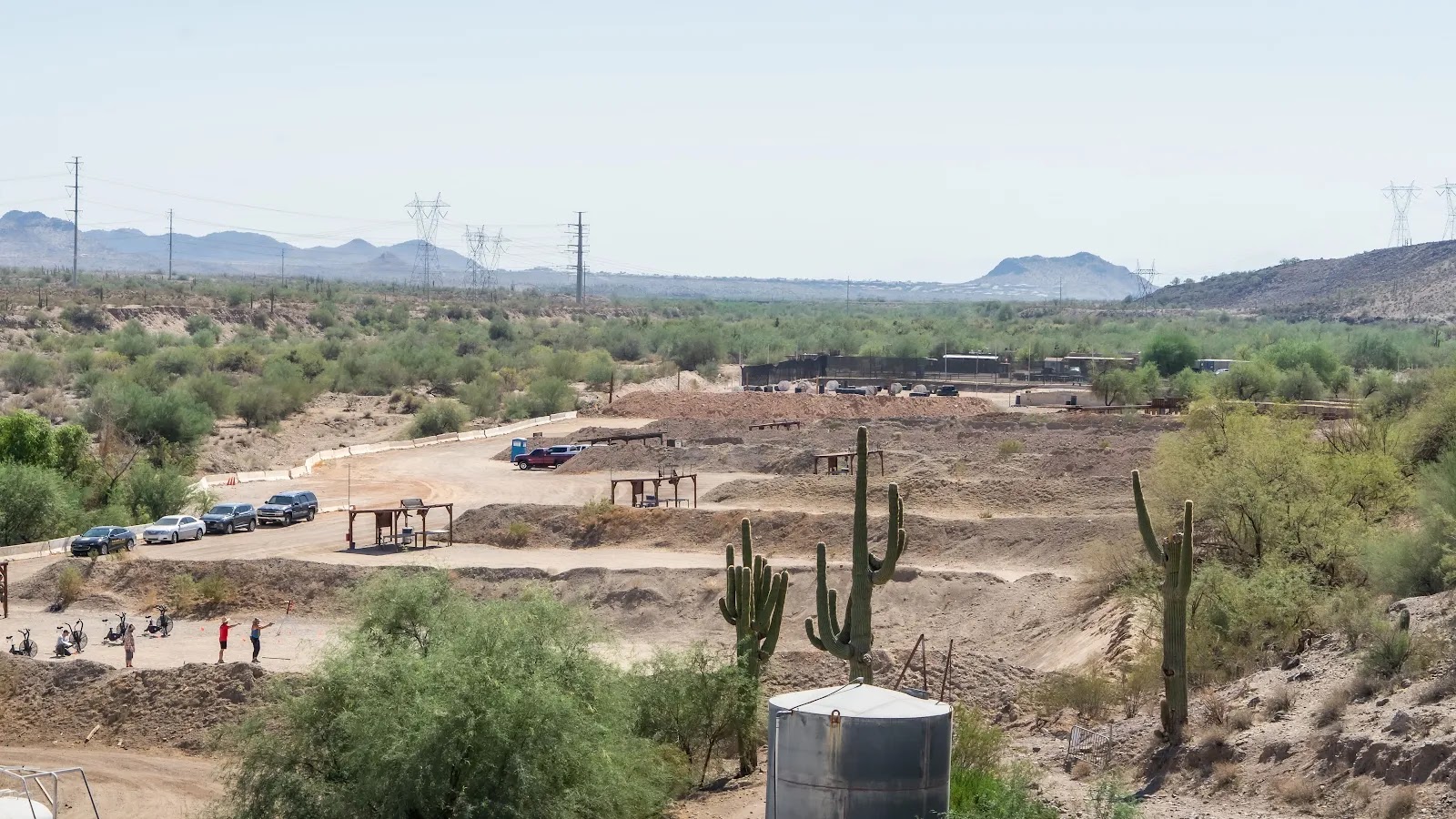
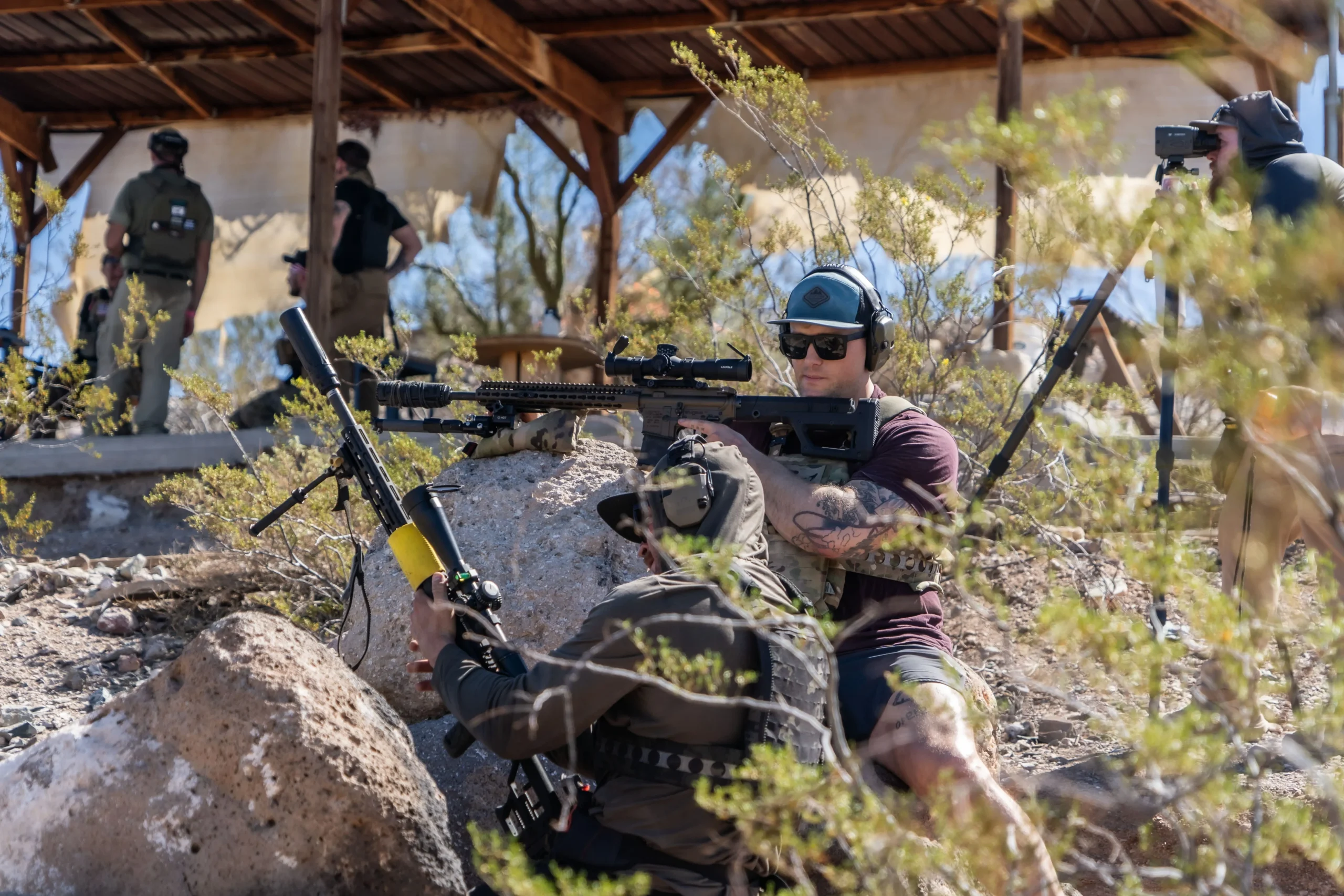
Cowtown spans over 80 acres of rugged high-desert terrain in Peoria, Arizona. Our property features spacious outdoor bays built for dynamic movement and long-range platforms reaching past 1,000 yards. You are operating on real-world training grounds used by competitive shooters, law enforcement units, and elite military operators.
To give you the latitude to draw from a holster, engage steel at speed, and move dynamically, every shooter on the property must operate off the exact same playbook.
Orientation establishes a culture of self-governance. Standardizing our safety expectations during onboarding eliminates the need for aggressive supervision. You get the space to master your craft, surrounded by a community of shooters who respect the discipline as much as you do.
What Happens During a Range Orientation Course?
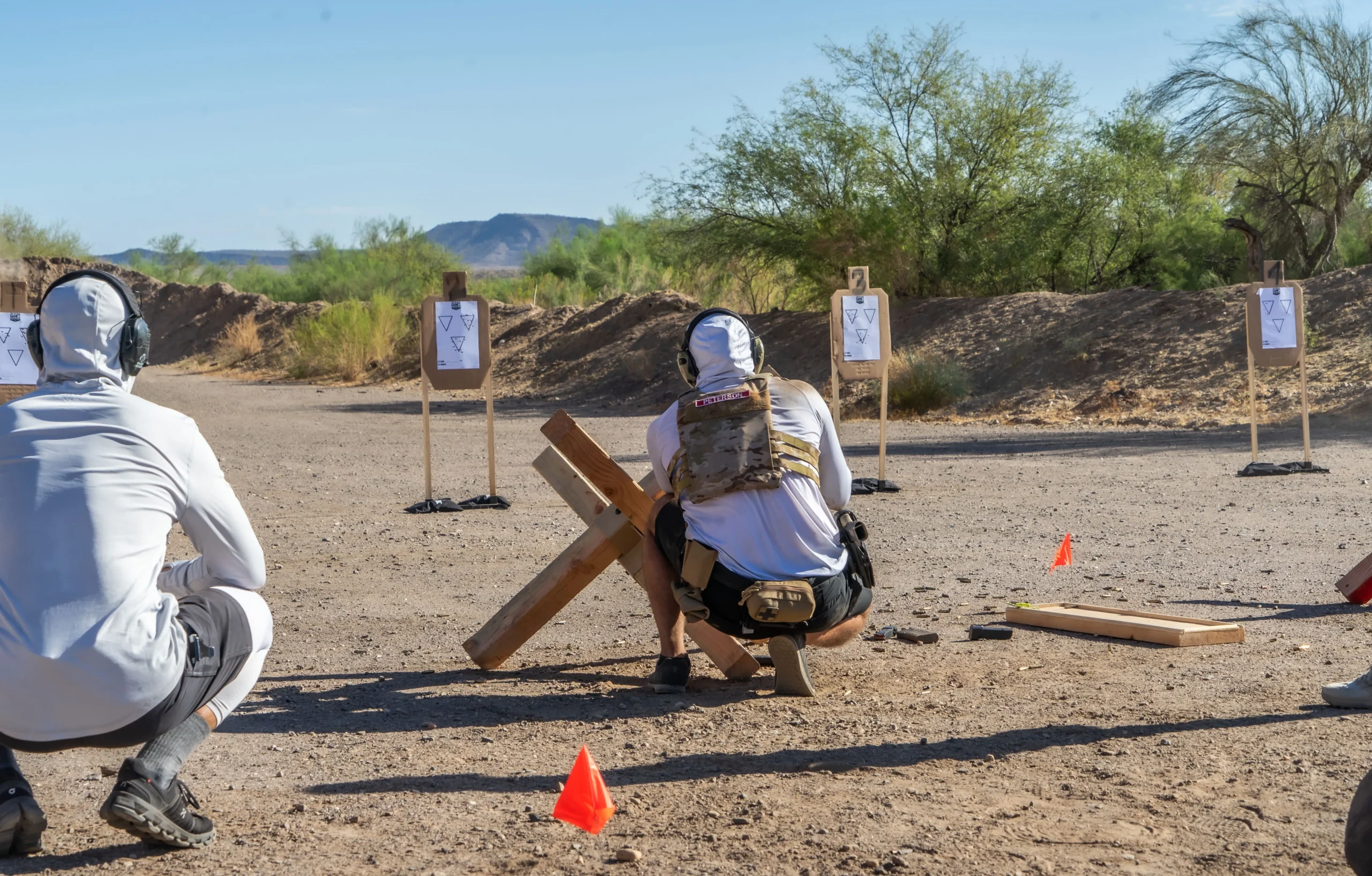
Expect a structured walkthrough focused on facility operations rather than a classroom lecture. We respect your time and assume you know basic firearm handling. The briefing concentrates on navigating our specific terrain, using our online booking portal, and running self-governed bays safely.
Core Modules Covered in the Course:
-
Property Topography and Bay Boundaries: Map analysis of our 13 specialized outdoor bays, steel impact areas, and high-desert berm limits.
-
Self-Governance & Member Responsibilities: How to call hot and cold ranges, manage your own bay, and maintain situational awareness with adjacent shooters.
-
Dynamic Protocols: Firearm safety rules tailored to holster work, barricade transitions, and movement drills.
-
Emergency & Cold Range Signals: Universal procedures for ceasefires, medical contingencies, and range communication.
-
Portal & Scheduling Mastery: How to leverage your member login to book private bays and long-range platforms.
For shooters needing foundational instruction, such as mastering how to grip a handgun, trigger control techniques, and basic handgun skills, we offer dedicated basic handgun training courses led by top-tier instructors. The orientation itself remains focused purely on range safety rules, facility layout, and operational standards.
Experienced Shooters vs. Beginners: Why Orientation Applies to Everyone
We frequently hear: “I’ve been shooting for twenty years and served in the military. Why do I need an orientation?”
You do not need a refresher on basic firearm handling. You do, however, need the layout intelligence for our 80+ acres of high-desert property. The ROC delivers the operational specifics—berm boundaries, steel engagement distances, and booking protocols—required to run your own bay without an RSO hovering over your shoulder.
-
Topography & Unique Angles of Fire: Cowtown spans 80+ acres of natural desert hills and cut berms. Features that look like solid backstops from the firing line may border access roads or neighboring bay footprints behind the crest. Knowing our specific impact zones and fan-lines protects everyone downrange.
-
Steel Target Engineering: We run heavy AR500 steel and complex movers across our bays. Adhering to property-specific minimum engagement distances prevents splatter, avoids dangerous ricochets, and keeps our steel functional for the entire community.
-
Cross-Bay & Platform Etiquette: When precision rifle teams push out past 1,000 yards from the upper platforms while dynamic carbine drills run in the lower bays, cold-range coordination requires seamless communication. Everyone must operate off the exact same communication protocol.
Whether you are a civilian enthusiast or a veteran operator, orientation puts everyone on the same page. It guarantees that the shooter working the bay next to you adheres to the same precise safety standard you follow.
Practical Checklist: Preparing for Your Orientation Day
When you finalize your membership paperwork, you will receive a welcome email with a link to schedule your ROC session. Preparation takes minimal time, but bringing the right equipment keeps the briefing moving.
ONBOARDING CHECKLIST
[ ] Documentation: Completed waiver, membership agreement, & ID
[ ] Eye & Ear Protection: Mandatory wrap-around protection
[ ] Footwear: Closed-toe boots or sturdy trail shoes for outdoor dirt
[ ] Platforms: All firearms cased, unloaded, with actions clear
Essential Requirements to Bring:
-
Eye and Ear Protection: Mandatory across all active areas of the property if you plan to hit the range after orientation. Electronic hearing protection is recommended to hear briefings over ambient gunfire.
-
Government-Issued ID: Required for identity verification during member check-in.
-
Sturdy Outdoor Footwear: Leave open-toed shoes at home. You will be walking on dirt, gravel, and uneven desert terrain.
-
Unloaded, Cased Platforms: If you plan to train on the bays after orientation, your platforms must arrive cased and unloaded. Unholstered firearms are not permitted in the staging areas.
How Orientation Streamlines Your Membership Pipeline
Completing your orientation activates your full facility privileges. Once logged into our system, you move directly from onboarding to active training.
Ready to Claim Your Space on the Line?
If you are ready to ditch restrictive indoor lanes and arbitrary shot timers, step up to a facility built for serious practitioners. Completing your Range Orientation Class is the single step standing between you and the freedom to train on real high-desert terrain.
Explore Cowtown Range memberships today, lock in your orientation slot, and come put in the work. We’ll see you downrange.
Frequently Asked Questions
What is the primary purpose of a range orientation course?
A shooting range orientation course introduces shooters to a facility’s physical boundaries, emergency protocols, and operational rules. Its goal is to maintain range safety, streamline scheduling, and ensure shooters can operate safely without direct supervision.
How long does the Range Orientation Class take at Cowtown Range?
The orientation is concise and practical, typically lasting under an hour. It covers mandatory safety protocols, bay limits, online scheduling walkthroughs, and a physical walkthrough of the grounds.
Do I need to bring my own firearms to the orientation?
No. The course focuses on property layout, range rules, and operational procedures. If you intend to shoot on the bays immediately following the session, bring your cased, unloaded platforms.
Is orientation required if I have a Concealed Carry permit or prior military service?
Yes. While personal experience covers general handgun training for beginners and pistol shooting fundamentals, orientation addresses property-specific layout rules, berm height limits, and terrain protocols unique to our high-desert shooting range.