
Master the Basics: The Ultimate Guide to Beginner Firearms Safety Workshops
Navigating the world of firearms can feel flat-out daunting for new gun owners. Whether you just bought your first pistol for home defense or you’re looking to get into the rugged world of tactical shooting, the absolute baseline of everything we do starts with one word: safety.
At Cowtown Range, we don’t just believe in throwing lead downrange; we believe in building a community of responsible, capable, and confident marksmen. If you’re a new gun owner looking to bridge the gap between holding a firearm and mastering it, enrolling in beginner firearms safety workshops is your first critical step.
In this comprehensive guide, we’re breaking down exactly what a real-deal foundational safety course looks like, what you’ll learn, and how getting professional, hands-on training from certified experts changes the game.
What Do Beginner Firearms Safety Workshops Actually Cover?
True foundational training combines elite theoretical knowledge with practical, real-world application.
When you sign up for a certified workshop at Cowtown Range, you are setting yourself up to understand safe firearm handling, proper secure storage practices, and the heavy legal responsibilities that come with carrying or owning a gun. These classes are designed to eliminate confusion, crush bad habits before they start, and give you the confidence to operate your firearm safely in any environment.
The 4 Unshakeable Rules of Firearm Safety
Before your fingers ever touch a frame or a handguard, you must memorize the four universal commandments of the firearms world. These rules are taught on day one and reinforced every single second you are on our deck:
- Treat Every Firearm as if It Is Loaded: Even if you just checked the chamber three seconds ago, you treat that weapon with the utmost respect.
- Keep Your Muzzle Pointed in a Safe Direction: You never point a firearm at anything you are not willing to shoot. Downrange or at the dirt—always.
- Keep Your Finger Off the Trigger Until Ready to Shoot: Your finger stays straight and indexed along the frame until your sights are on the target and you’ve made the conscious decision to fire.
- Know Your Target and What Is Beyond It: You are legally and morally responsible for every round that leaves your barrel, meaning you must know exactly what is behind and around your target.
The Cowtown Training Progression: Building Real Capability
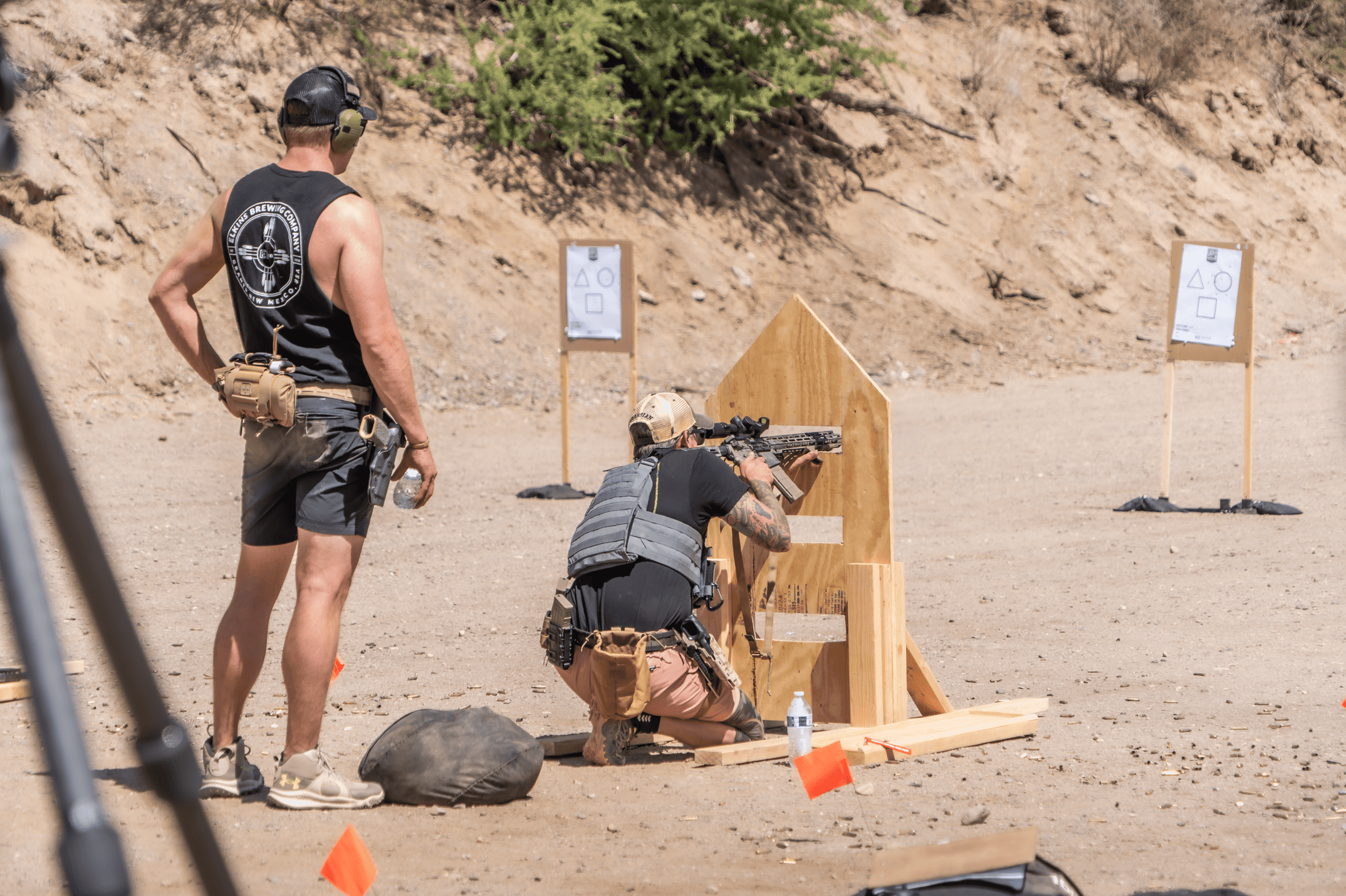
You don’t just stop at a safety certificate. True proficiency is a journey. Our training pipeline is built to take you from an absolute greenhorn to a defensive asset.
How Certified Instructors Deliver Expert, Hands-On Training
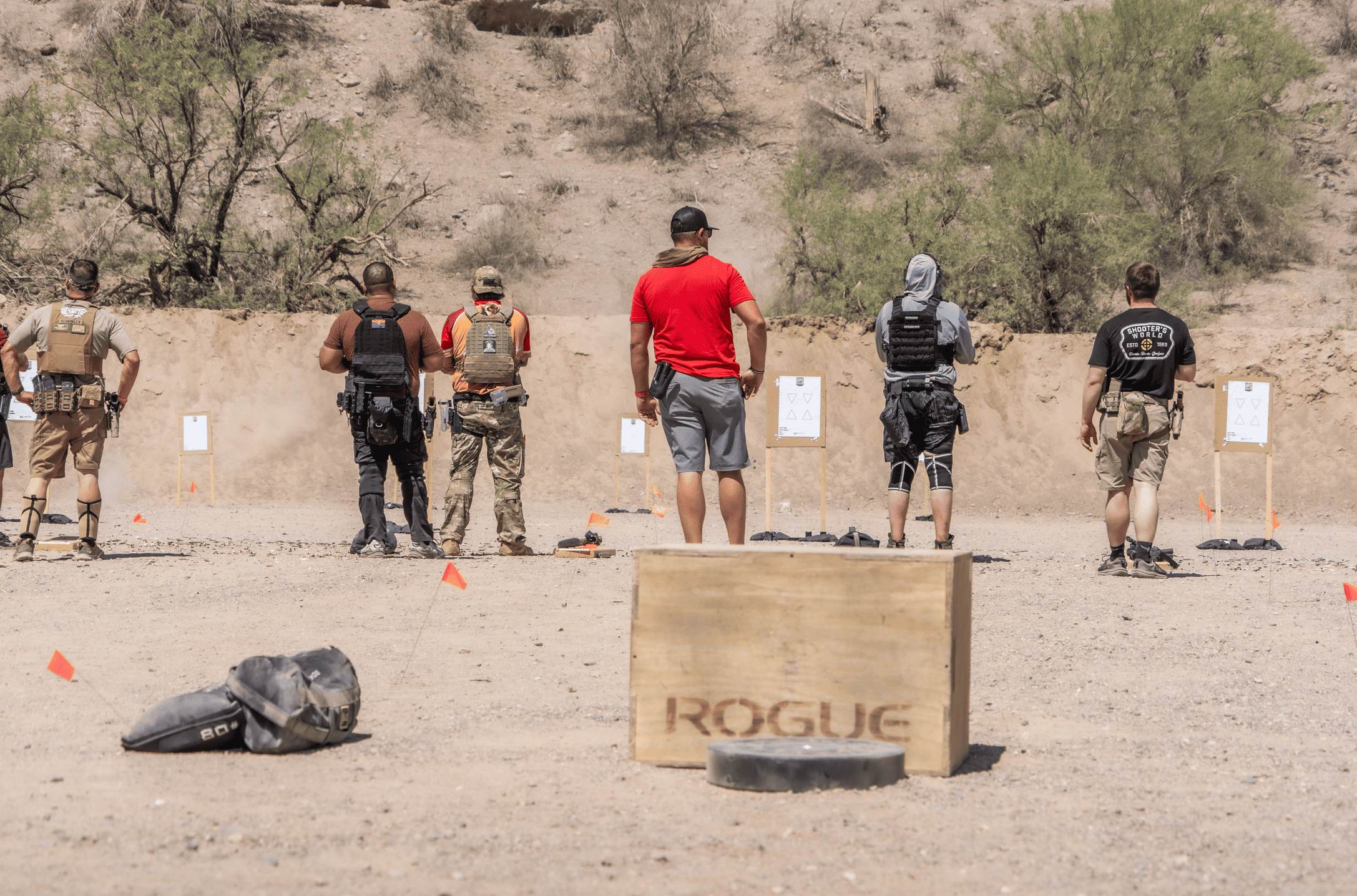
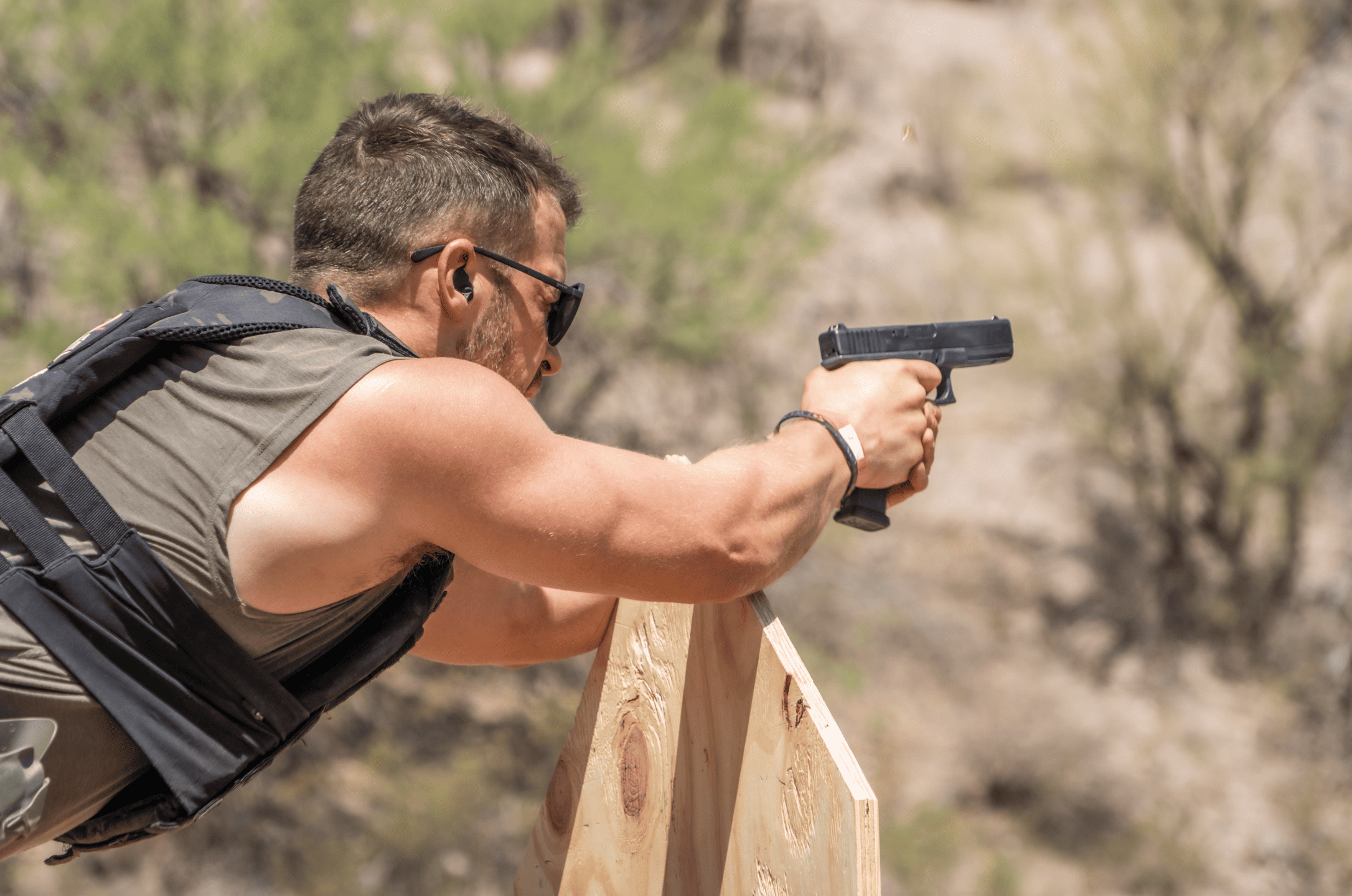
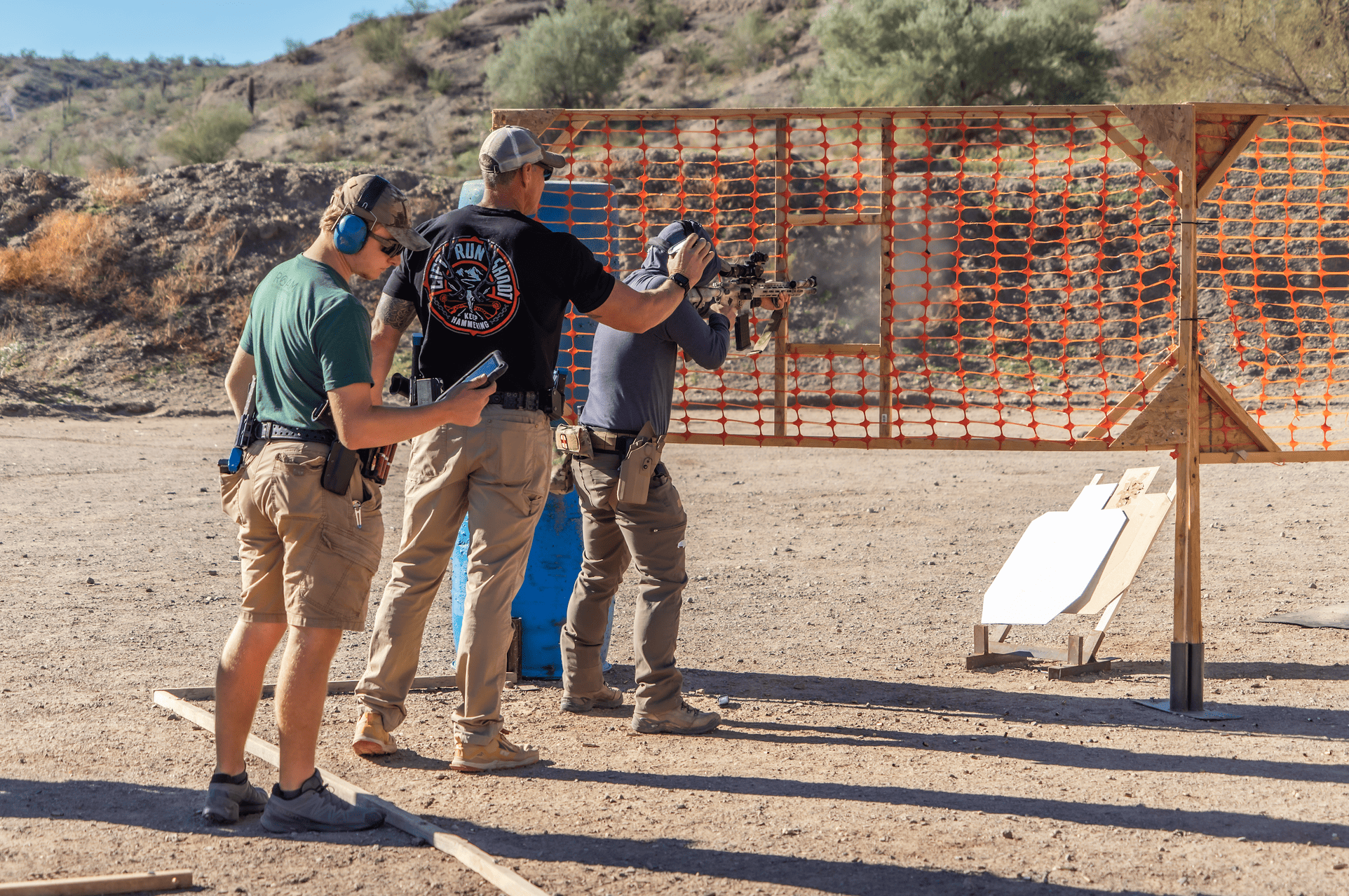
In our beginner workshops, instructors don’t just lecture. They demonstrate, correct your grip in real-time, and walk you through dry-fire mechanics before a single live round is loaded. This hands-on interaction builds muscle memory, squashes anxiety, and ensures you are executing the mechanics perfectly.
No matter where you are on your shooting journey, Cowtown offers highly customized private training sessions. You get 1-on-1 coaching tailored specifically to your goals, whether you are picking up a firearm for the very first time or looking to refine elite tactical skills.
Legal Requirements and Certifications for Beginners
State laws and permit mandates vary wildly across the country. Beginner courses break down the exact legal boundaries of your specific jurisdiction so you can stay fully informed.
For example, in our Every Day Carry Handgun (CCW) course, students undergo rigorous instruction on the legalities of the use of physical force versus lethal force, prohibited places, and defensive posturing. Upon completion, students receive the actual handgun safety training certificate required for the concealed weapons permit application process. Taking these steps protects you legally, ensures you understand your rights, and builds a culture of safety within the broader community.
Post-Workshop Best Practices: Safe Handling & Storage
Your training doesn’t end when you pack up your gear and leave Cowtown Range. In fact, that’s where real accountability begins. To keep your skills sharp and your household safe, implement these storage and handling practices at home:
1. Secure Your Hardware
Leaving a firearm unsecured is completely unacceptable. Depending on your lifestyle and home dynamics, invest in high-quality secure storage:
- Heavy-Duty Gun Safes: Essential for long guns and storing bulk ammunition securely out of reach.
- Quick-Access Lock Boxes: Ideal for your everyday carry or home defense handgun, utilizing biometric or keypad entry so you have rapid access while keeping unauthorized hands out.
- Trigger/Action Locks: A solid secondary transport measure or temporary deterrent when a full safe isn’t viable.
2. Maintain Open Communication
If you have family members or children in your home, don’t treat firearms like a taboo secret. De-mystify them. Teach your household what to do if they ever encounter an unsecured firearm: Stop, don’t touch, leave the area, and tell an adult immediately.
3. Review and Dry-Fire Regularly
Complacency is the enemy of proficiency. Regularly dedicate time to practice your dry-fire fundamentals, sight alignment, and holster mechanics in a controlled, completely empty environment with zero ammunition in the room.
Ready to Take the First Step?
Get out to Cowtown Range, stand on the deck with elite instructors, and earn the confidence that only comes from real-deal, certified training. Whether you want to master your handgun, dial in your carbine, or secure your CCW permit, we have a lane waiting for you.
Frequently Asked Questions (FAQ)
What should I bring to my first beginner firearms safety workshop?
For a basic course like Handgun 1, you need a reliable semi-automatic pistol, an outside-the-waistband (OWB) holster, 2 to 3 magazines, and a minimum of 200 rounds of quality ammunition. You must also bring wrap-around eye protection and appropriate ear protection (electronic muffs are highly recommended). Always wear range-appropriate clothing, including closed-toe shoes and a sturdy belt.
Do I need a permit to own or carry a gun in Arizona?
Arizona allows constitutional carry for qualified citizens, meaning a permit is not strictly required to carry open or concealed. However, obtaining an Arizona Concealed Weapons (CCW) permit is highly recommended because it grants you legal reciprocity in dozens of other states, eliminates the background check wait time during firearm purchases, and ensures you fully understand use-of-force laws.
Can I take a private shooting lesson if I am a complete beginner?
Absolutely. Private training sessions at Cowtown Range are fully customizable. They are an excellent option for beginners who prefer 1-on-1 instruction to build comfort, eliminate anxiety, and learn safety fundamentals at their own pace before transitioning into a group workshop environment.