

Essential Shooting Range Safety Rules Every Beginner Must Know
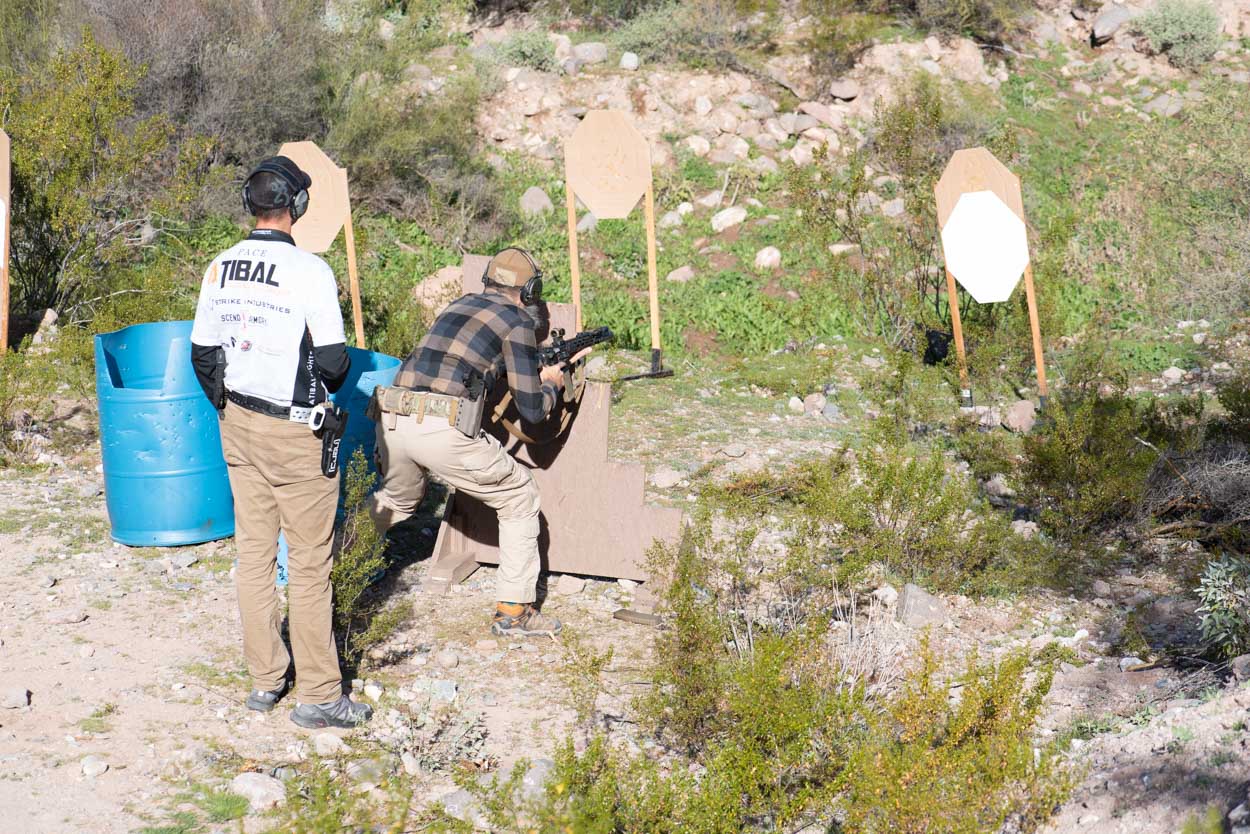
Stepping onto an outdoor shooting platform for the first time is a major milestone, shifting your focus from static bench shooting to active, real-world skill development. While standard lane ranges keep you confined to a single stall, an expansive high-desert facility provides the liberty to move, use the landscape, and engage targets dynamically.
Because we provide the latitude to run drills realistically, we expect every shooter to bring a rock-solid foundation of technical competence to the line. Before you look into pushing your limits with high-level precision training, establishing complete directional competence and situational awareness is your first step toward real-world proficiency.
The Four Universal Pillars of Firearm Safety
Every professional operator, competitive shooter, and serious practitioner treats these four rules as absolute law. They are not checklist items to review once and forget—they are active mindsets that govern every single second your hands are on a weapon system.
1. Treat Every Weapon as Loaded
Complacency is the greatest hazard on a range. It does not matter if the chamber was cleared moments ago, or if an experienced partner handed you an open platform. Every single time you make contact with a firearm, you approach it with the exact same gravity as a hot weapon.
2. Absolute Muzzle Discipline
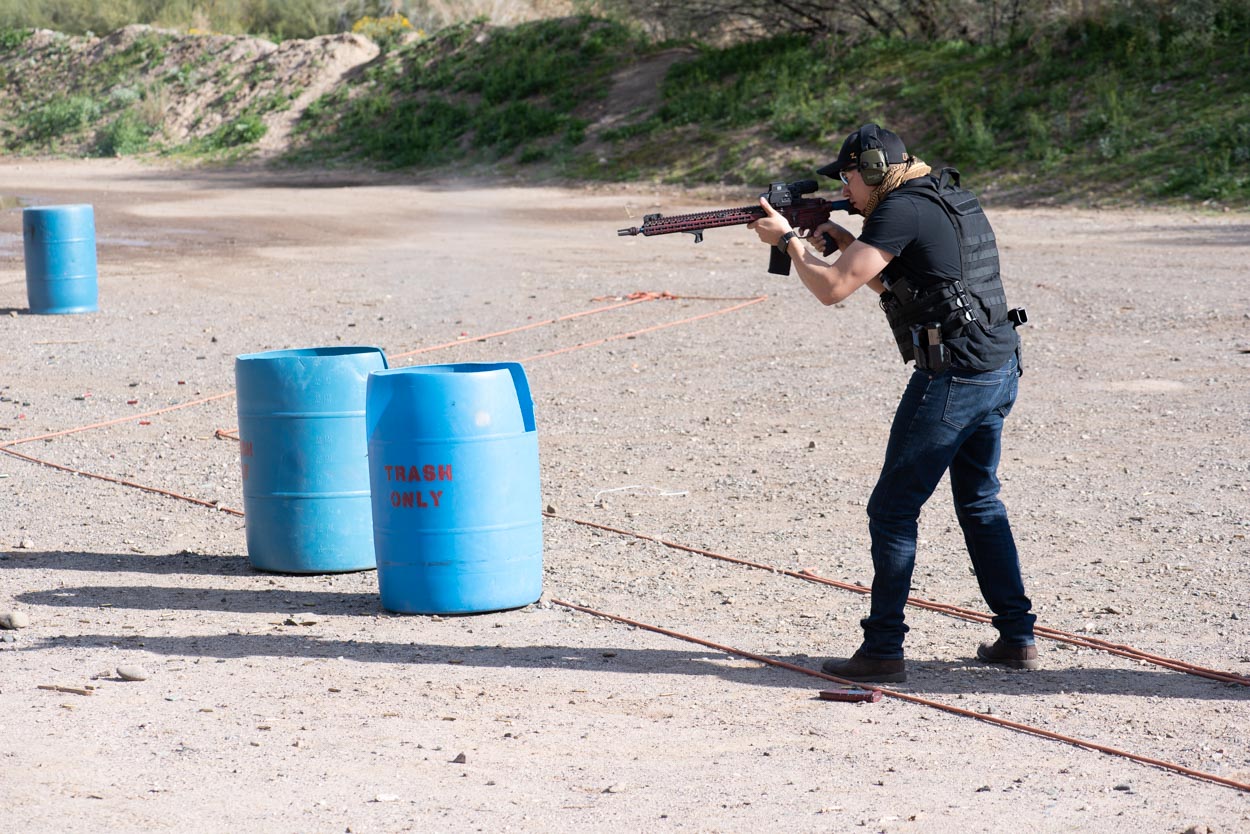
On an open range, keeping your firearm oriented in a safe direction—straight downrange toward the impact berm—is a constant, non-negotiable requirement. Whether you are reloading, clearing a malfunction, or transitioning positions, that barrel must remain locked on the backstop and never drift toward the side or upward.
3. Finger Off the Trigger
Your trigger finger has one permanent home: indexed straight along the frame or receiver, well outside the trigger guard. It stays there while you draw, while you present the weapon, and while you move. Your finger only enters the trigger guard when your sights are aligned on a validated target and you have made the conscious decision to break the shot.
4. Know Your Target and Beyond
Bullets do not stop simply because they pass through a paper silhouette or strike a steel plate. You must read the entire environment. Always assess what is to the left, what is to the right, and what lies directly behind the target area. In the desert, maintaining complete situational awareness ensures that every round is safely contained by the designated backstop.
Navigating the Range: Hot vs. Cold Lines
Understanding the state of the range is critical to working smoothly alongside other shooters. An outdoor facility relies on clear, structured communication to transition safely between active shooting sequences and target resets.
Handling the Cease Fire Command
If you hear anyone yell “CEASE FIRE!”—you stop instantly. It does not matter if you are in the middle of a drill or about to pull the trigger on a perfect group.
- Immediately take your finger off the trigger.
- Keep the muzzle pointed safely downrange.
- Bring the weapon to a safe condition (engage safety, clear the chamber, holster, or place down).
- Wait for instructions from the line safety leads.
Gear Requirements: Beyond the Basics
An outdoor training ground demands gear that can handle the grit, dirt, and environmental elements. Showing up with sub-standard protection or poorly fitting support gear impacts your capability before the day even begins.
- Ballistic Eye Protection: Standard sunglasses do not offer adequate protection against a stray fragment of flying copper or steel splatter. Ensure your eyewear meets ANSI Z87.1 impact ratings.
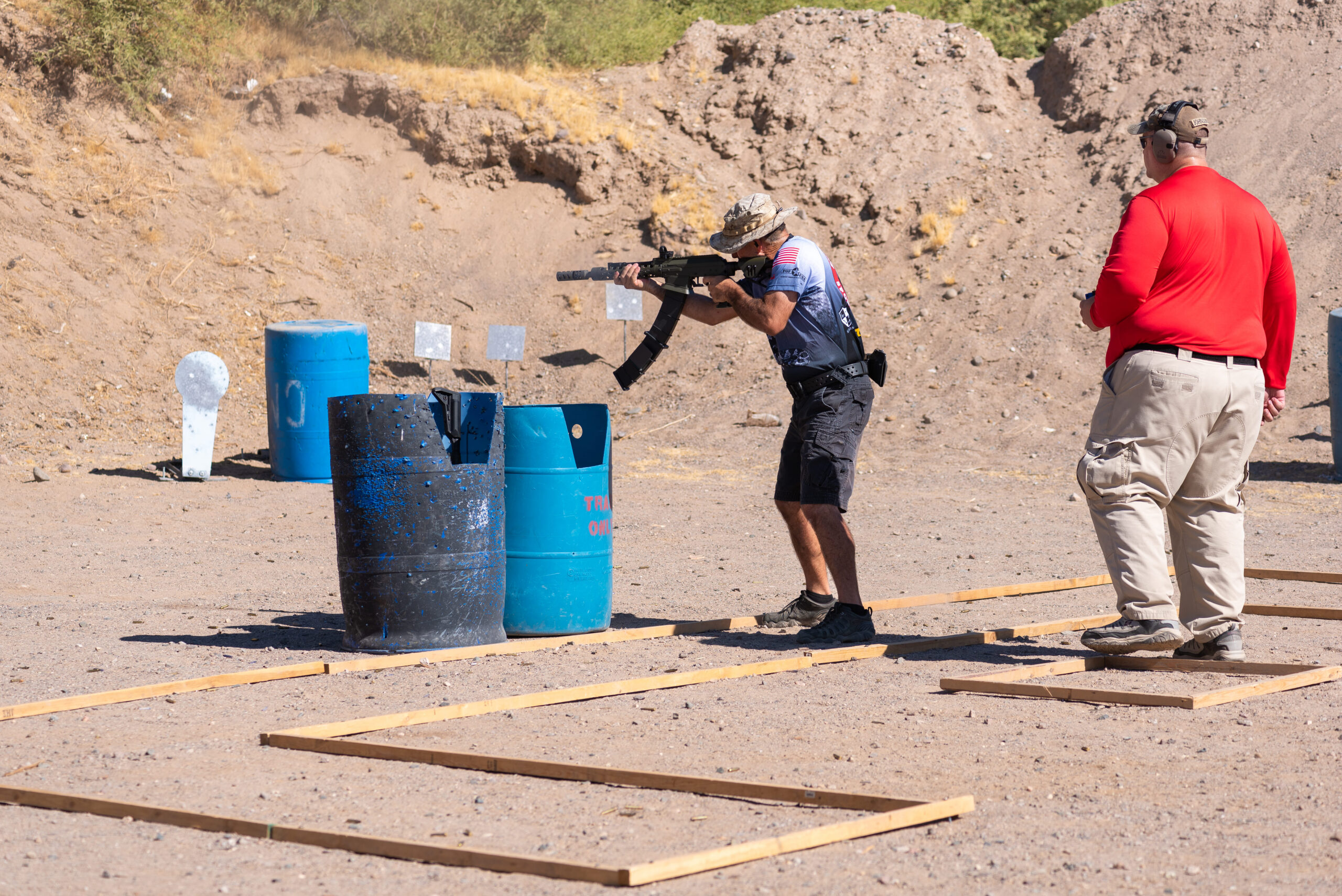
- Electronic Hearing Protection: Standard foam earplugs block out noise, but they also prevent you from hearing vital safety commands or coaching adjustments. Electronic muffs clamp down on dangerous decibel spikes while amplifying human speech, keeping you safe and connected to the line.
- Functional Dress Code: Hot brass flies unpredictably, and it easily finds open skin. Wear a structured hat, a high-collared shirt, durable pants, and closed-toe footwear or boots capable of navigating uneven terrain.
- A Reliable Belt and Holster System: If your course involves drawing from the body, you need a rigid, high-quality belt and a holster designed specifically for your platform. Flimsy, universal nylon holsters that collapse or lose retention are a severe liability on a dynamic range.
Etiquette for the Serious Practitioner
Self-governing means treating the facility and your fellow shooters with mutual respect. True discipline on the range shows in how you conduct yourself between strings of fire.
Unpacking and Packing Your Platforms
Firearms should always arrive at the range inside a dedicated case or securely holstered. Never walk from your vehicle to a shooting bay with an uncased, bare firearm in your hand. When it is time to unpack, place the closed case on the bench, orient the muzzle direction toward the impact berm, open the case, and ensure the weapon is clear.
Managing Your Space: Dirt and Brass
At Cowtown, we don’t just rent dirt; we cultivate a community of practitioners who take pride in the craft. Clean up your space when you are finished. Pick up your spent brass, discard used targets, and leave the bay in the pristine condition you expect to find it.
Managing Malfunctions Responsibly
When your weapon fails to feed or fire, keep the muzzle locked directly on the backstop. Never turn your head or body back toward the crowd while holding a malfunctioning firearm. If you cannot clear the system yourself, keep the platform pointed downrange and call for an instructor to assist you on the line.
The Value of an Experienced Mentor
You shouldn’t be learning how to handle malfunctions, balance speed with precision, or navigate a dynamic outdoor course from an amateur. High-level safety training relies entirely on the quality of the person delivering it. At Cowtown Range, the instructors guiding you through the fundamentals aren’t checklist readers; they are seasoned practitioners with deep backgrounds in elite Special Operations, specialized law enforcement units, and high-level competitive shooting.
Our team leverages decades of lead sent downrange to bring real-world stress inoculation and extensive field experience directly to your bay. This legacy of instruction has made our high-desert platforms a trusted training destination for everyone from local enthusiasts to elite military units and legendary figures like Chris Kyle. When a Cowtown instructor corrects your posture, refines your grip, or delivers expert diagnostic observation, they are passing down the exact field-tested habits that keep you, and everyone around you, safe under pressure.
Your Path to Mastery
Safety rules are not a ceiling; they are the floor. Once you can naturally execute safe handling protocols under any condition, you unlock the freedom to explore advanced training environments that truly build capability.
- For Handgun Work: Transition from static lane shooting to dynamic presentation and recoil management with structured handgun training.
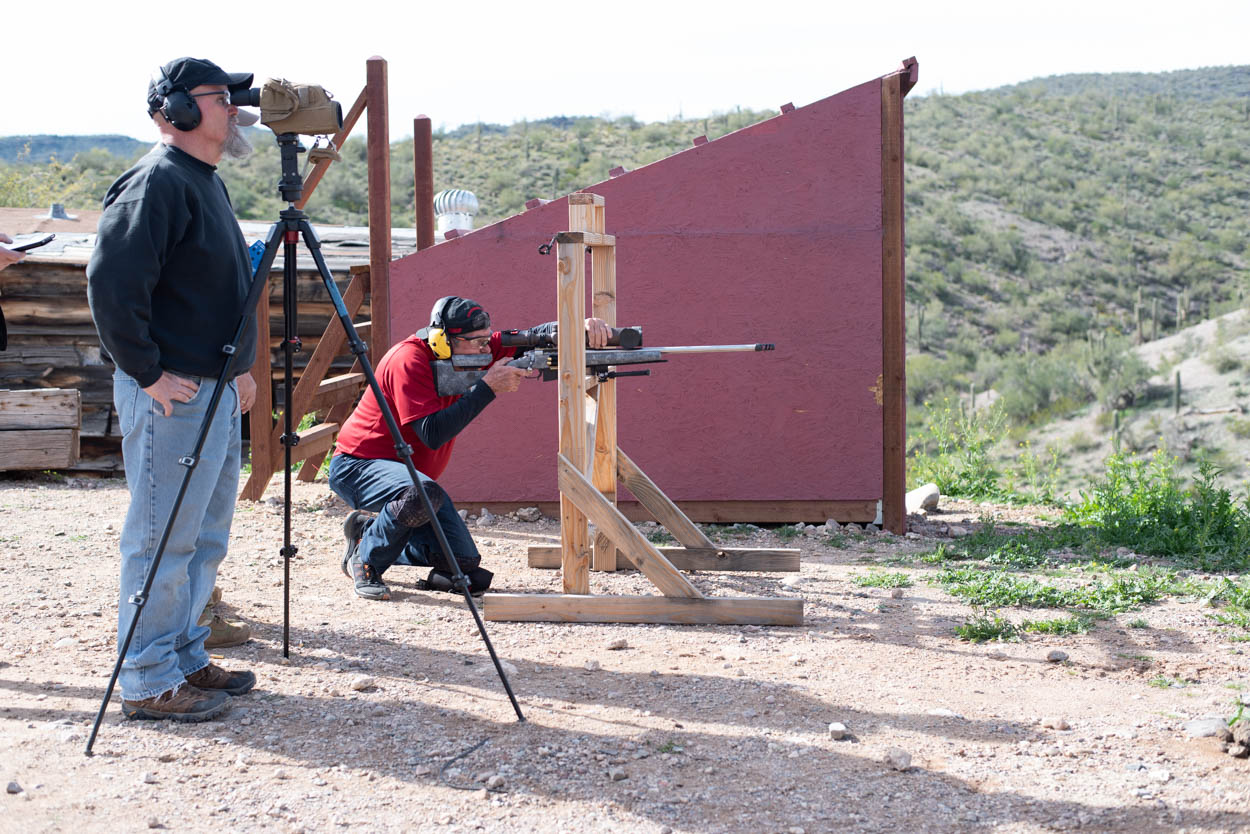
- For Long Gun Mastery: Learn the logistics, positions, and maintenance of your carbine or platform through dedicated rifle training.
- For Mission-Specific Skills: Push into low-light drills, vehicle work, or complex scenarios by exploring our specialty courses.
- For Tailored Acceleration: Eliminate bad habits instantly with one-on-one diagnostic attention through elite private training.
Building Lasting Competence
True proficiency can’t be inherited, and it certainly can’t be rushed. Understanding shooting range rules for beginners is simply your point of entry into a much larger culture of personal accountability. By treating safety protocols as continuous operational mindsets rather than restrictive rules, you earn the true freedom to train effectively.
Frequently Asked Questions
Can I practice drawing from a holster as a beginner?
Practicing draw strokes requires specific range approval or a dedicated instructor to ensure you do not sweep your own body during presentation. Our structured foundational courses are designed to transition you safely into holster work.
What should I do if I drop a firearm on the range?
If a weapon falls, let it hit the ground. Do not attempt to catch it mid-air, as you risk accidentally hitting the trigger. Once it has landed, ensure the muzzle is pointed in a safe direction before carefully picking it up and placing it back on the bench to inspect it.
How much ammunition do I need to bring to a typical course?
Our courses focus heavily on trigger time rather than classroom fluff. For most standard five-hour courses, you should arrive with at least 300 rounds of factory ammunition to ensure you get the maximum value from your drills.
What are the basic rules for public shooting ranges?
The absolute standard for any public range is built on the Four Pillars of Gun Safety alongside strict adherence to line commands. Weapons must remain cased until you are in your designated shooting area, muzzles must always point toward the backstop, and handling firearms during a cold range is completely banned.
What should a beginner bring to an outdoor shooting range?
Beyond your specific firearm platform and high-quality factory ammunition, beginners need impact-rated ballistic eye protection, electronic hearing protection, and a structured hat with a brim. Bring plenty of water to handle the high-desert climate, a high-collared shirt to prevent hot brass contact, and closed-toe rugged boots.
What is the first thing a beginner should do upon arriving at a range?
Keep all firearms completely cased and secured in your vehicle while you check in at the main office or with the range safety officer. Review the specific facility map, verify the status of the firing lines, and ensure you have received a full safety briefing before bringing any gear to the bays.