
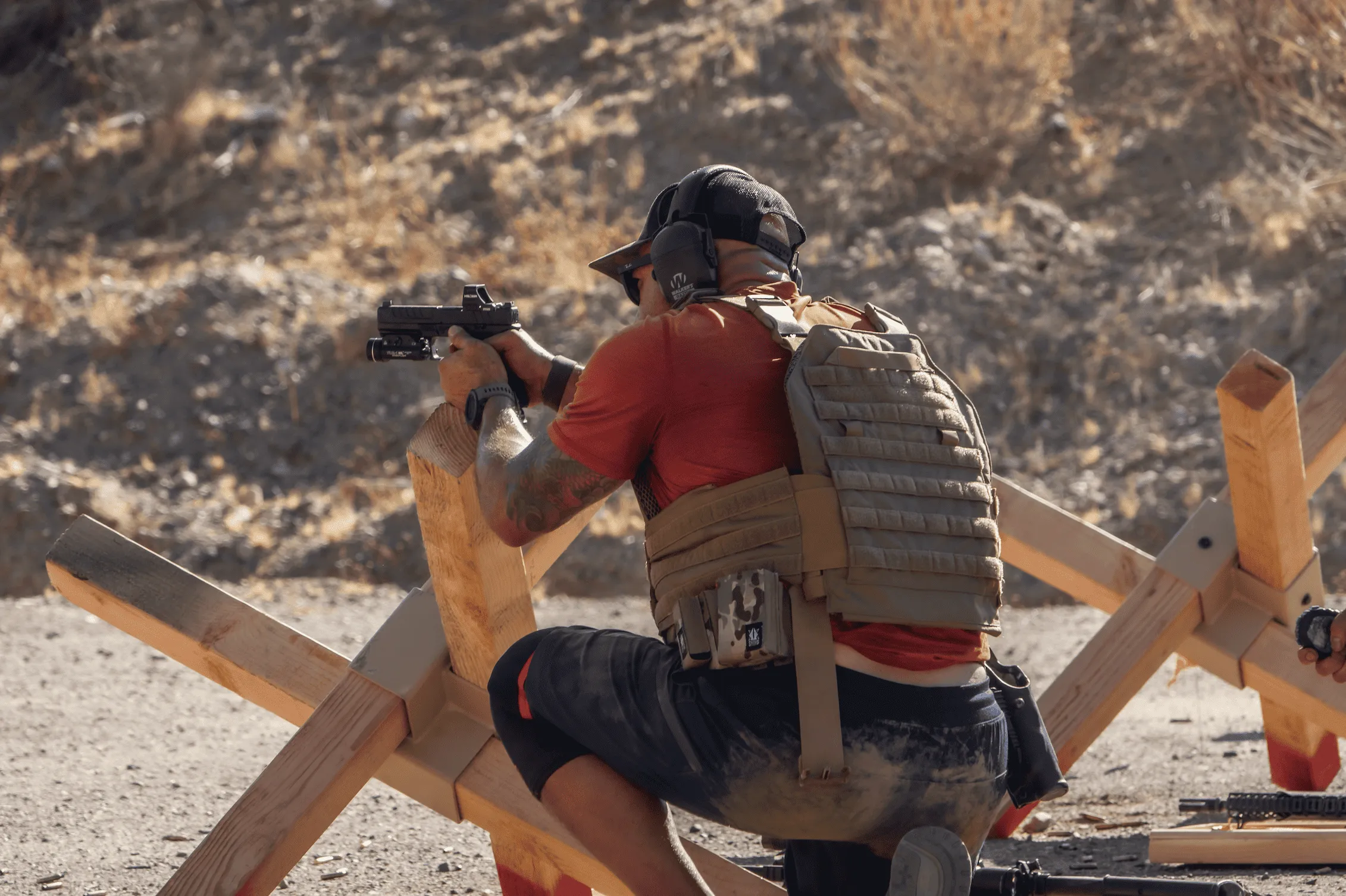
Static paper targets won’t prepare an officer for a high-threat active engagement. When dynamic incidents unfold in the field, success hinges on split-second decision-making, mechanical mastery, and adaptability under intense physical stress. Built on 78 acres of rugged high-desert terrain near Phoenix, Cowtown Range delivers real-world tactical training for police officers. From custom unit evolutions to platform-specific specialty courses, our program bridges the gap between basic qualification and operational survival.
What Does Tactical Training for Police Officers at Cowtown Range Entail?
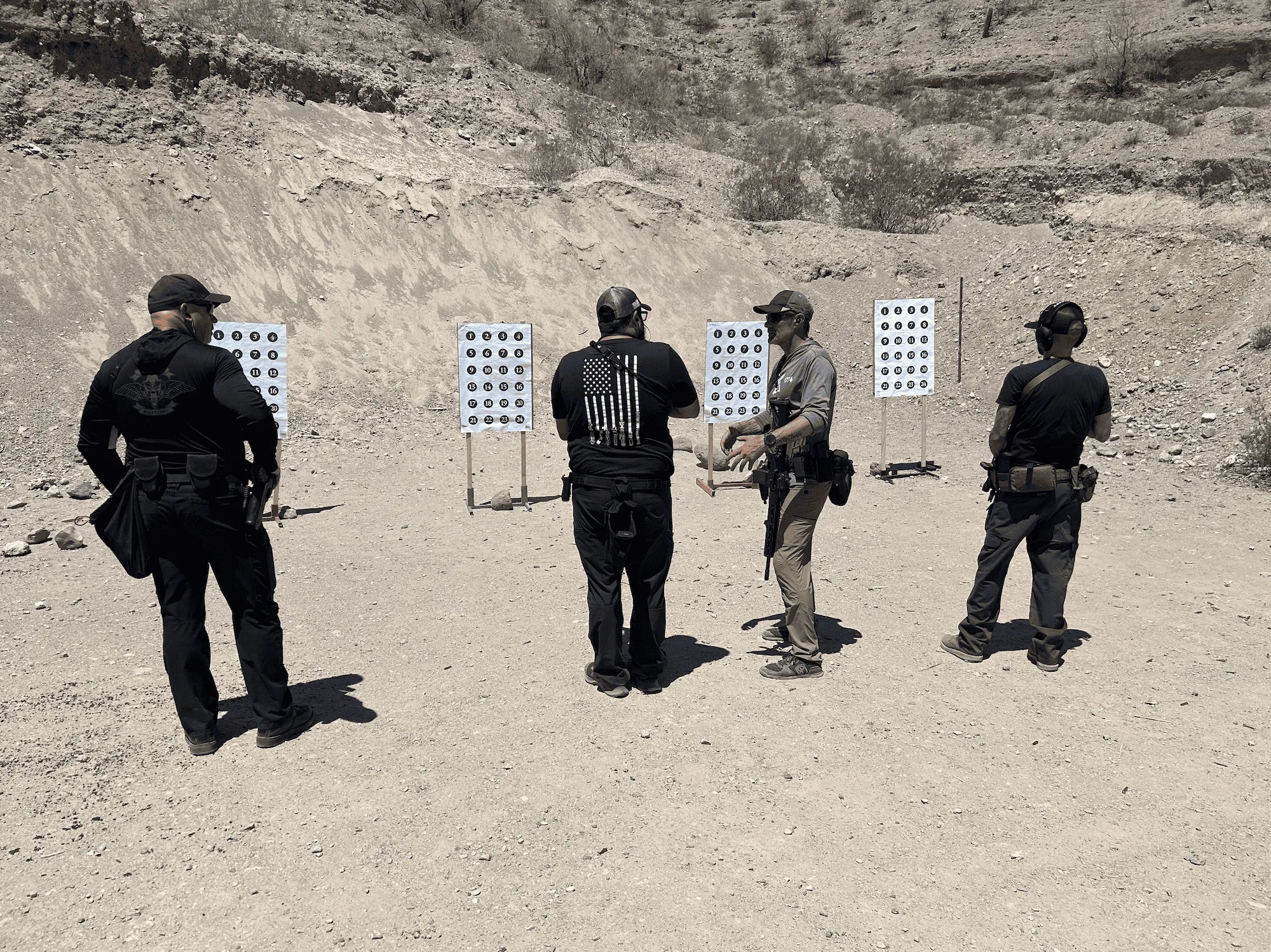
Tactical training for police officers at Cowtown Range combines high-stress scenario engagements, low-light operations, and live-fire movement drills across 78 acres of high-desert terrain. Featuring 13 specialized outdoor bays and long-range platforms reaching 1,000 yards, the facility supports law enforcement units through dynamic training led by former military and law enforcement instructors.
Why Flat, Indoor Ranges Fail Real-World Law Enforcement
Sterile indoor ranges with fixed, linear lanes build artificial habits. Real streets feature uneven elevation changes, erratic shadows, dynamic cover, and unexpected sightlines. Training exclusively on level indoor grids instills predictable footwork and a false sense of security behind thin sheetrock partitions. When an officer steps into a narrow alleyway or a high-desert wash, static habits break down under real-world pressure.
Cowtown Range’s high-desert facility, situated 30 minutes outside Phoenix and Scottsdale, forces officers to manage physical exertion alongside weapons handling. Navigating uneven ground while keeping sight pictures stable builds true physical endurance and positional adaptability.
Real-world patrol demands continuous flexibility. Effective law enforcement tactical training requires officers to perform critical mechanics under authentic field conditions:
-
Drawing and engaging from the holster while moving laterally across loose terrain.
-
Working around natural barricades that require non-standard shooting positions.
-
Managing low-light transitions where weapon-mounted lights interact with dust and shadows.
-
Evaluating threat angles across open topography rather than straight, predictable corridors.
Scenario-Based Infrastructure Built for Dynamic Live-Fire Drills
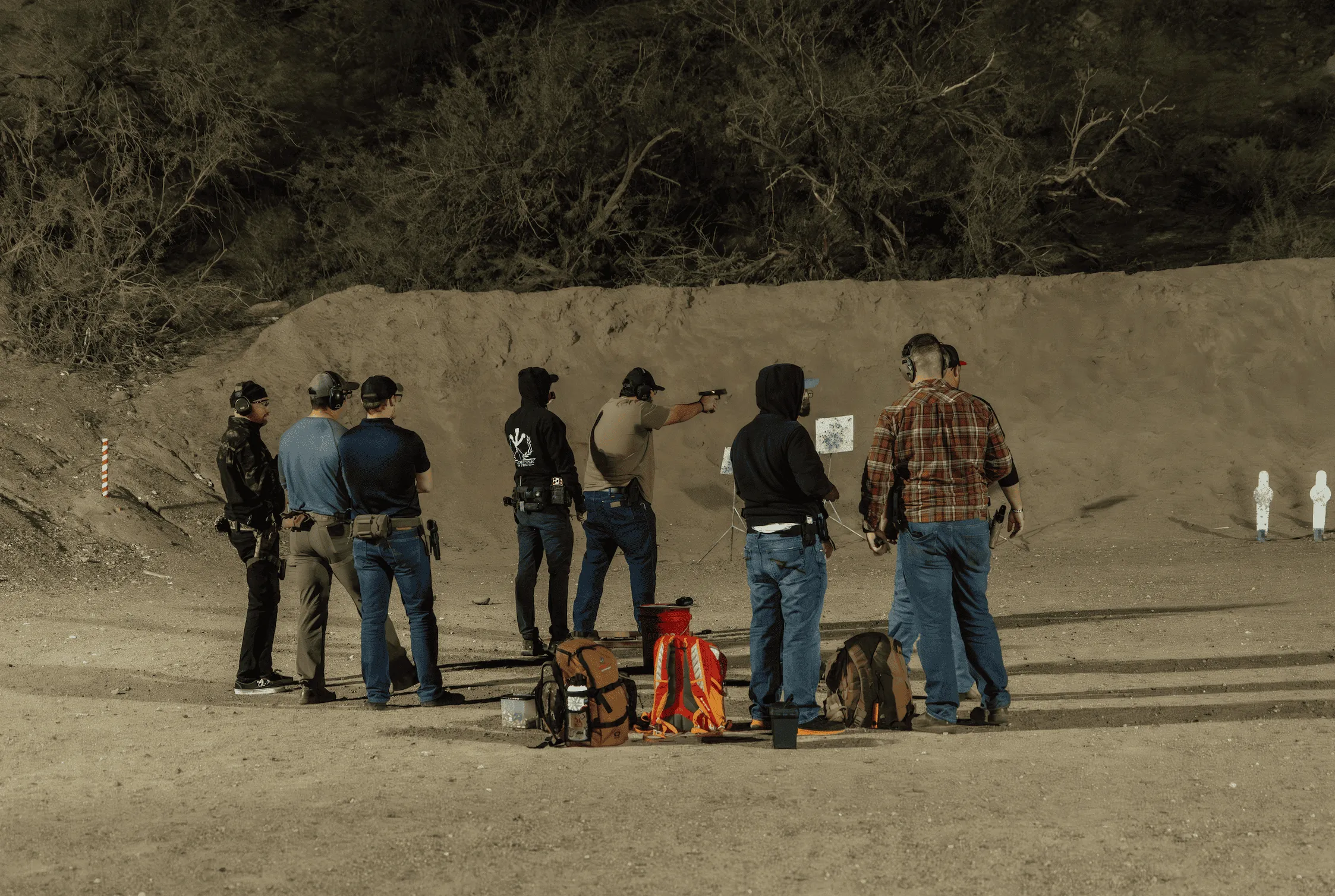
Standard marksmanship builds baseline weapon mechanics, but marksmanship alone does not build sound tactical judgment. When stress spikes, officers revert to their lowest level of mastery. To build sound decision-making under duress, tactical training for police officers must incorporate movement, variable angles, and rapid threat identification.
13 Specialized Outdoor Bays
Cowtown operates 13 specialized outdoor bays spanning 78 acres. Accommodating firearms at engagement distances from 3 to 150 yards, these open-air bays give units the flexibility and space needed to execute realistic tactical maneuvers without competing for lane space or being confined to static positions.
Our open-air bays allow teams to practice:
-
Dynamic movement and obstacle clearing around real-world vehicles and barricades.
-
De-escalation and shoot/no-shoot decision-making under elevated heart rates.
-
Low-light search and engagement techniques using hand-held and weapon-mounted light systems.
-
Team communication and priority-of-threat assessments across wide sightlines.
Extended Platforms and Long-Range Precision
When tactical training for police officers requires long-range precision, standard pistol-caliber ranges fall short. For designated marksmen, law enforcement sniper units, and precision practitioners, our elevated long-range platforms extend engagement distances out to 1,000 yards.
These platforms deliver authentic high-desert ballistics, allowing precision marksmen to read full-value crosswinds, track atmospheric mirage, and calculate true ballistic dope across open topography without waiting on static range commands or fighting for line space. This expansive layout gives agency coordinators the latitude to run precision sniper operations on the long platforms while patrol units execute close-quarters drills in the bays.
Instructor Pedigree and Operational Integrity
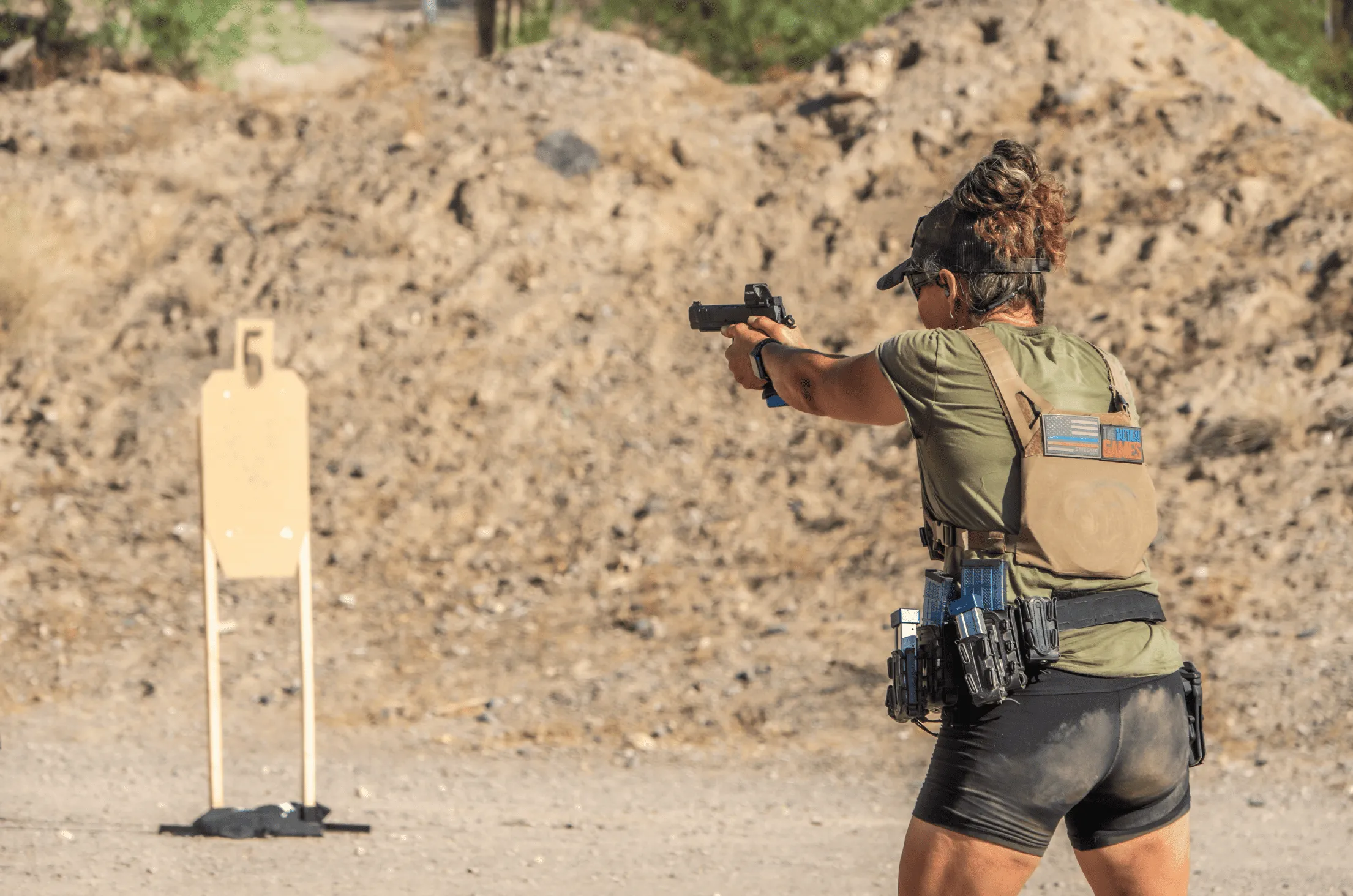
The quality of training depends entirely on the background of the instructors on the line. Cowtown was forged through decades of operational use, hosting military special operations elements, federal agencies, and state law enforcement units. Our cadre consists of veteran military operators and law enforcement specialists who have applied these tactics downrange and on the street.
Safety is maintained through professional oversight, not restrictive micromanagement. Certified instructors monitor every exercise, ensuring strict safety controls while giving instructors the latitude to run complex, dynamic courses. We eliminate sterile range restrictions, like mandatory multi-second delays between shots, allowing officers to push their splits, work rapid transitions, and run real-world drills responsibly.
For departments looking to establish dedicated, unit-level block training, explore our specialty courses or reach out to schedule customized private sessions.
Discreet Operations and Secure Facilities
Law enforcement departments require an environment where tactics, techniques, and procedures can be practiced with complete security. Cowtown provides secure facilities and a professional staff, allowing units to conduct sensitive agency training, low-visibility operations, and specialized team evolutions completely away from public view.
Structuring a Tactical Skill Training Cadence
Skill decay occurs quickly. A single annual qualification shoot does not maintain operational readiness; it merely checks a compliance box. Departments that build long-term tactical proficiency establish a continuous, multi-tiered training calendar throughout the year.
1. Competitive Stress-Inoculation
Regular participation in competitive shoots, such as weekly steel matches or monthly precision rifle events, introduces time pressure and peer observation. This environment simulates the stress-induced physiological responses officers face during critical incidents, forcing them to execute clean mechanics when the timer sounds.
2. Multi-Platform Rotation
A complete curriculum rotates across all duty weapon systems rather than relying on standard handgun drills alone:
-
Duty Handgun Foundations: High-speed draw strokes, weapon retention, single-hand manipulations, and optics-supported target acquisition.
-
Patrol Rifle & Carbine Mechanics: Rapid deployment from vehicle mounts, off-axis shooting, clearing stoppages, and engagements from close-quarters out to 150 yards in the bays, extending up to 1,000 yards on the long-range platforms.
-
Precision Marksman Training: Reading wind, establishing rapid positional stability, and calculating ballistics on our extended platforms.
Departments can structure these rotations through flexible scheduling options, taking advantage of our extensive operating hours that allow you to fit shift schedules without disrupting patrol coverage. Individual officers seeking uninterrupted range access and dedicated training space can review the Cowtown Range law enforcement membership options.
Elevate Your Agency’s Operational Readiness
Static range setups don’t replicate the unpredictability of field engagements. Preparedness demands real terrain, professional instruction, and the freedom to execute complex scenarios without micromanagement.
Whether you are coordinating a multi-day closed-enrollment block for your team, scheduling specialized outdoor bay access, or securing individual memberships to keep your edge sharp, Cowtown Range provides the footprint and freedom required to master your craft.
Contact our team today to schedule private range time, explore closed-enrollment unit options, or inspect our historic high-desert training grounds.
Frequently Asked Questions
What facility features are required for police training?
Dynamic training requires wide outdoor bays that accommodate physical movement, modular barricades, vehicle placement, varied target arrays (paper and reactive steel), and natural elevation to simulate operational conditions.
How does high-desert terrain improve tactical readiness compared to indoor ranges?
High-desert terrain introduces natural elevation changes, uneven footings, loose gravel, wind variables, and intense natural lighting contrasts. These factors force officers to adapt their footwork, stabilize their shooting positions, and read real environmental conditions, eliminating artificial habits formed on flat indoor ranges.
Can police departments book private blocks or closed-enrollment courses at Cowtown?
Yes. Cowtown Range provides closed-enrollment options tailored to specific department mandates, SWAT units, or specialized agency teams. Departments can reserve our spacious outdoor bays exclusively for custom training scenarios led by agency instructors or Cowtown cadre.
What is the recommended annual training cadence for active duty officers?
While state standards set minimum qualification intervals, operational readiness requires monthly or quarterly live-fire practice. A recommended cadence combines monthly timed match stress-inoculation, quarterly platform rotation (pistol, carbine, low-light), and annual multi-day scenario-based course blocks.