

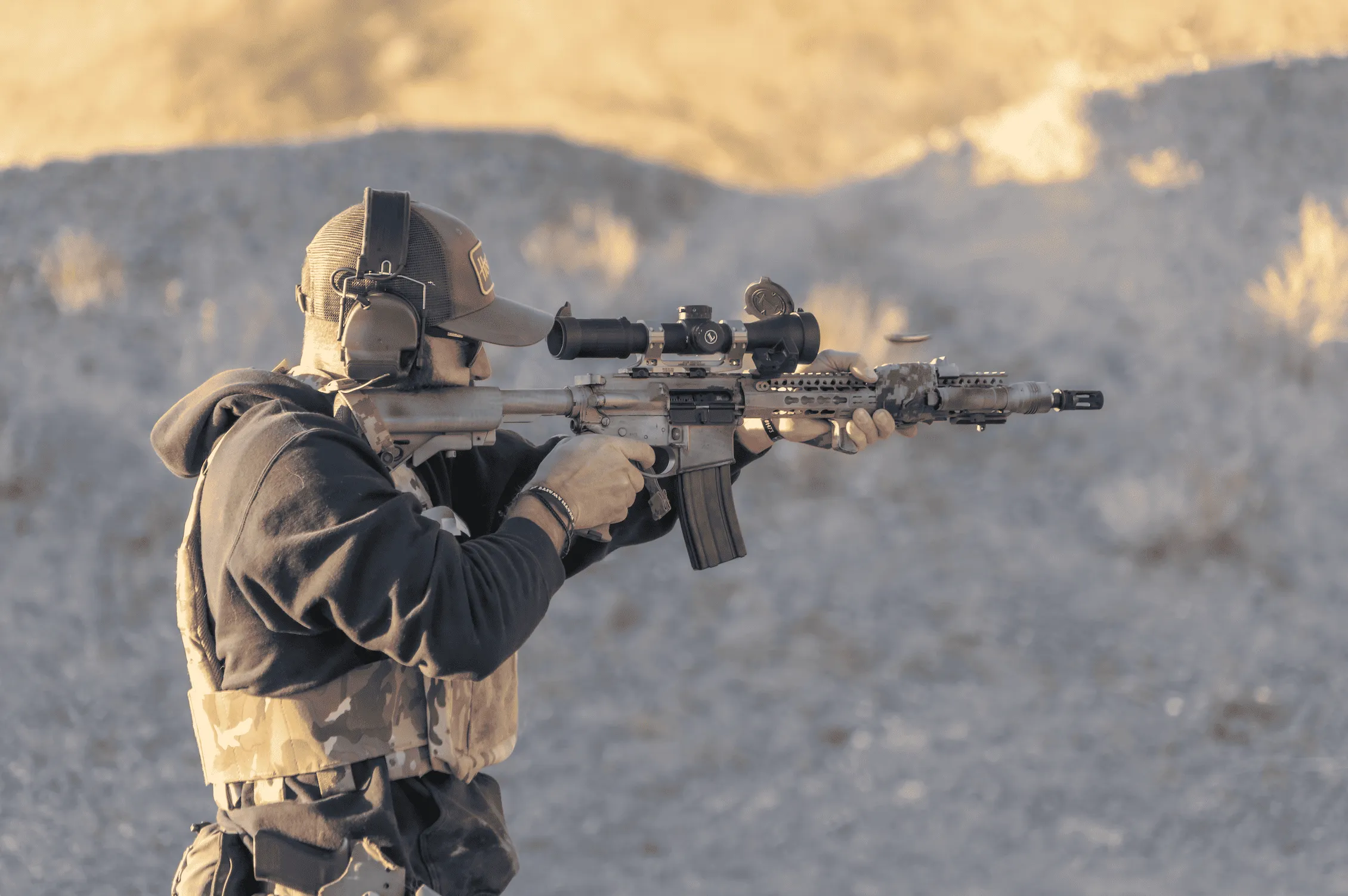
You bought an AR-15, zeroed the optic at a static indoor range, and realized pretty quickly that punching holes in paper from a stationary bench isn’t real training. You want to learn how to run that rifle efficiently, clear malfunctions, move naturally, and manage your gear without dealing with a micromanaging Range Safety Officer hovering over your shoulder yelling about one-shot-per-second rules.
When you’re ready to stop settling and start building real capability, enrolling in our beginner carbine training courses at Cowtown Range provides the structured, real-world entry point you need. You get an environment that skips the “tacticool” fluff, respects your intelligence, and lays down a rock-solid mechanical foundation downrange.
What Is a Beginner Carbine Training Course?
An introductory carbine course at Cowtown Range is a structured, hands-on training program designed to take a shooter from basic firearm familiarity to dynamic operational proficiency. The course covers core marksmanship fundamentals, optics usage, efficient control manipulation, tactical and empty-gun reloads, malfunction clearances, and emergency diagnostic techniques.
What to Expect in Your First 4-Hour Carbine Class
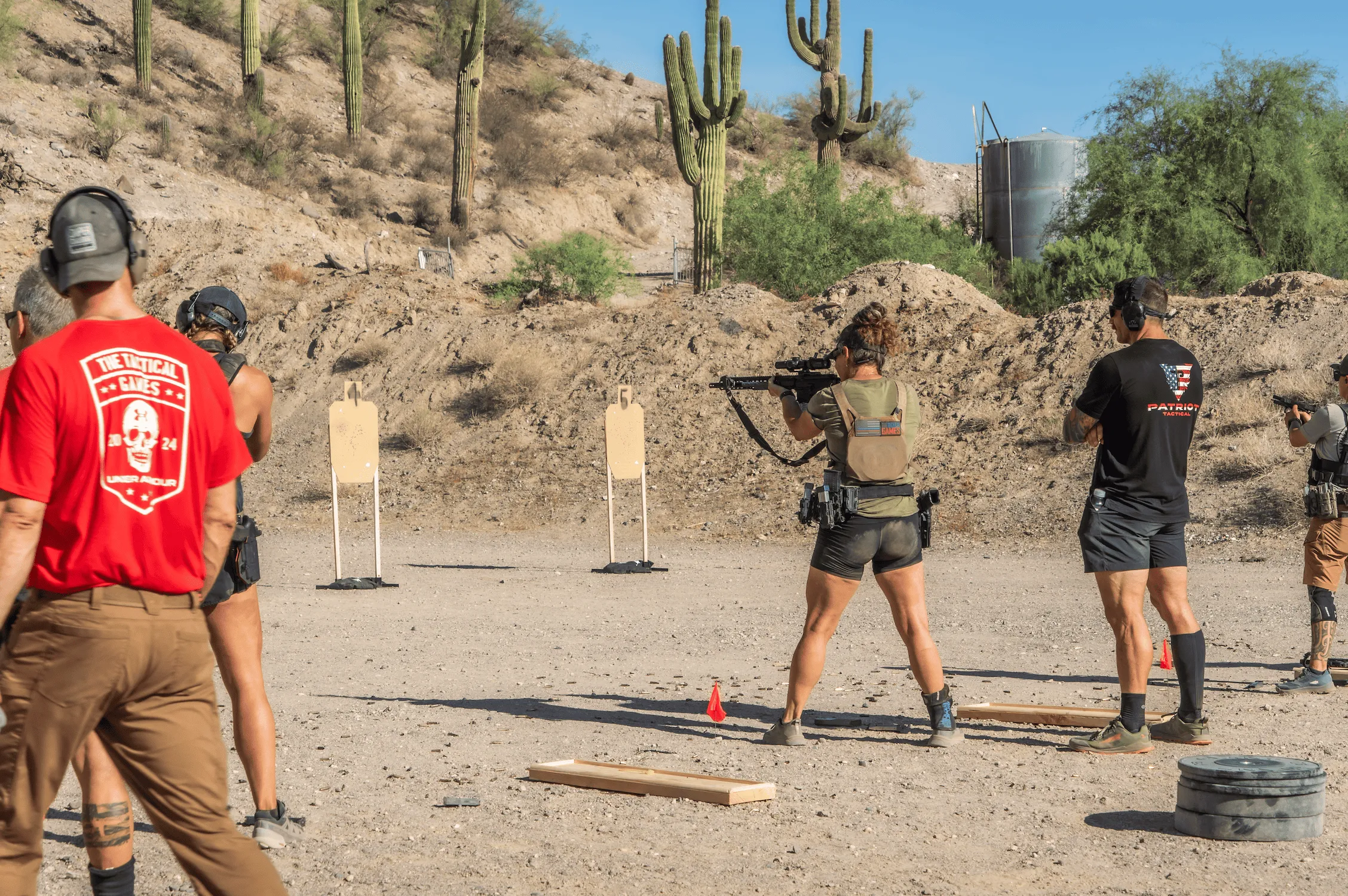
Forget sitting in a sterile room listening to generic lectures for four hours. Real skill isn’t built behind a desk; it’s forged downrange. When you step onto our historic high-desert training grounds, the objective is clear: build a durable, repeatable connection to your rifle system.
1. Briefing: Safety, Vision, and Mechanics
We start with a streamlined safety brief. We don’t preach; we establish the baseline of mutual respect and self-governance that defines our community. You’ll cover:
-
The Four Safety Rules in Practice: Applied to dynamic environments, not just static lines.
-
Visual Mechanics: Learning how to properly utilize your vision, mechanical offset, and red dot or LPVO aiming devices effectively.
-
Platform Setup: Verifying sling placement, optic height, and stock weld for your specific body mechanics.
2. Live-Fire Fundamentals: Building the Mechanical Connection
Moving directly into our spacious outdoor bays, Cowtown Range instructors run live-fire drills that break down bad habits before they calcify. You won’t be standing still.
-
Consistent Mechanics: Establishing a recoil-mitigating stance and a clamp grip that drives the muzzle precisely where you look.
-
Control Manipulation: Efficiently operating the safety, bolt catch, and magazine release without breaking your sight picture.
-
Presentations: Bringing the rifle smoothly from high/low ready positions to target engagement instantly.
3. Applied Drills: Reloads, Malfunctions, and Diagnostics
The second half of the day pushes into real-world gun handling. A rifle is a mechanical system, and mechanical systems stop working—especially when fine Arizona desert grit enters the action.
-
Speed & Tactical Reloads: Swapping magazines efficiently, whether executing an empty-gun emergency reload under time constraints or retaining a partially loaded magazine during a lull in engagement.
-
Malfunction Clearances: Diagnosing Failure to Feed, Failure to Extract (double feeds), and stovepipes rapidly.
-
Self-Diagnostics: Learning how to read your own hits and misses so you can continue diagnosing and progressing your skills long after class ends.
Gear Checklist: Come Ready to Put in Work
Showing up unprepared wastes your time and ammo. You don’t need a $4,000 rig or custom body armor to take a beginner rifle class in Peoria, AZ. You just need reliable, functional gear that runs.
ESSENTIAL GEAR CHECKLIST
[ ] Semi-Automatic Rifle / Carbine Platform (AR-15, AK platform, PCC, etc.)
[ ] Eye & Ear Protection (Electronic ear defender recommended)
[ ] 200+ Rounds of Reliable Practice Ammunition
[ ] 2 to 3 Rifle Magazines
[ ] Magazine Pouch or Chest Rig/Belt Setup
[ ] Hydration & Weather-Appropriate Clothing (Rugged outdoor footwear)
[ ] Optional: Shooting Mat & Note-Taking Material
1. The Platform & Ammunition
Bring a functional, clean semi-automatic rifle. Ensure your optic is mounted securely (torqued to spec) and roughly zeroed. Bring a minimum of 200 rounds of quality practice ammunition. Leave the steel-core or questionable gun-show remanufactured ammo at home; feeding issues caused by bad ammo steal valuable training time away from mastering mechanics.
2. Load-Bearing Setup
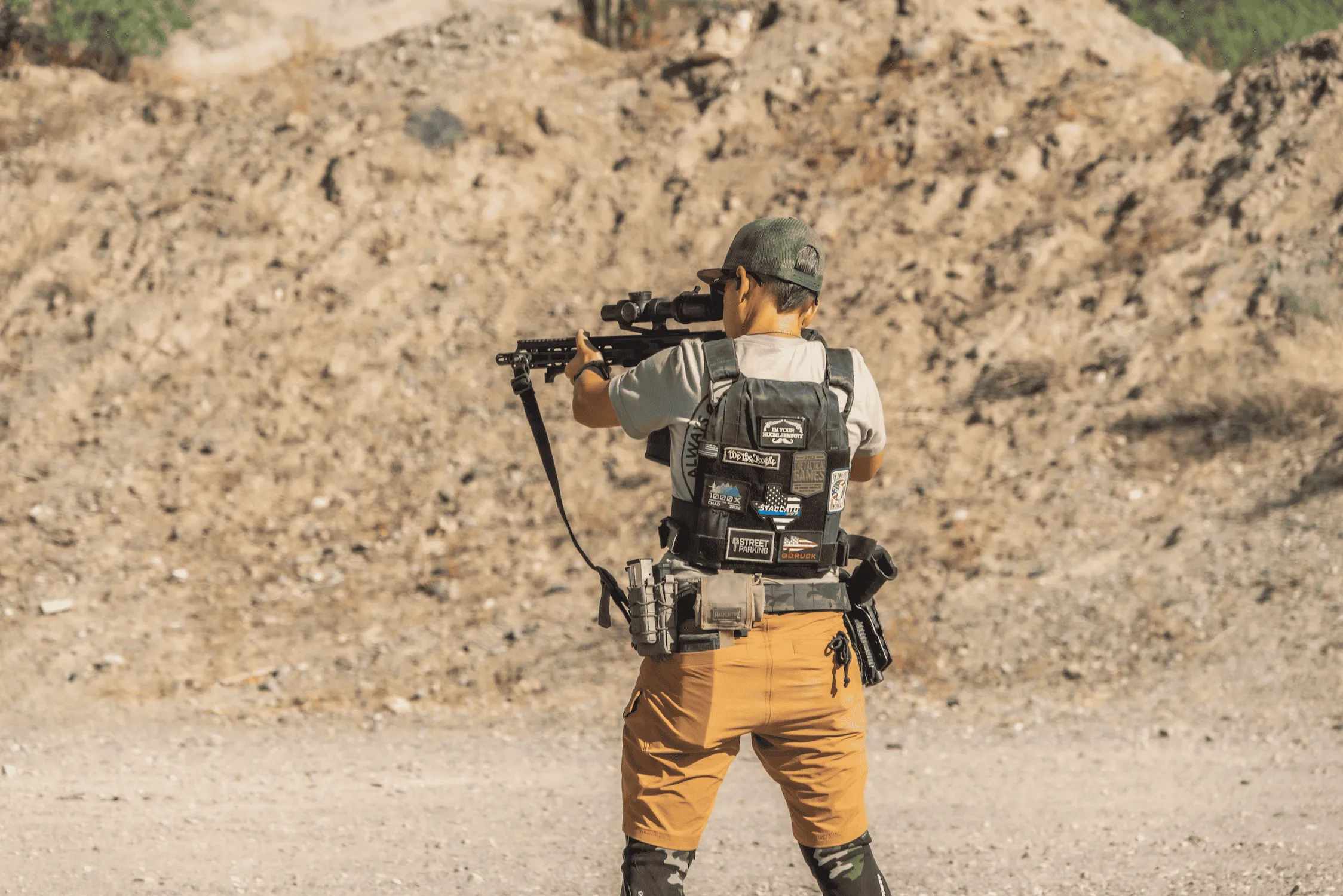
You need a way to carry extra magazines on your body. A basic two-pouch belt setup, a minimal chest rig, or even rigid mag holders in your pockets will suffice. Pair this with a solid two-point sling so your hands can operate freely during transition and weapon-handling drills.
3. Arizona Outdoor Essentials
Our range terrain offers sweeping natural elevation, canyon breezes, and dynamic sunlight. Wear closed-toe work boots or sturdy trail shoes with aggressive tread for traction on loose dirt and gravel slopes. Bring electrolyte packs alongside your water; the desert dry heat dehydrates you long before you notice sweat.
Why Terrain and Environment Matter for Beginner Carbine Training
If you train exclusively on a 25-yard indoor static line, you are developing false confidence. Indoor ranges hide environmental variables. Down in the Cowtown Range dirt bays, canyon winds play a real role. Natural sunlight forces you to adjust red dot or LPVO illumination settings on the fly to prevent reticle washout against sun-bleached dirt.
Shooting against varying high-desert terrain at Cowtown Range forces your visual system to acquire targets against realistic shadows, cacti, and rock outcroppings rather than looking at a brightly lit white wall.
Born as a Western movie set in 1973, Cowtown Range evolved through decades of hosting military special operations units, tactical professionals, and serious civilian shooters. When you step onto these grounds, you are training on the exact same real estate utilized by world-class operators.
Whether you are running basic drills in our private bays or looking ahead to testing your holdovers on our long-range platforms, the Cowtown terrain itself makes you a better shooter.
Common Mistakes New Carbine Shooters Make (And How to Fix Them)
-
Chicken-Wing Stance: Flaring your elbow out wide ruins recoil management and exposes a massive target profile. The Fix: Tuck your elbows down, square your chest to the target, and lean slightly into the platform.
-
Eye-Trapping the Magwell: Looking down at your belt or gun when reloading takes your eyes off downrange threats. The Fix: Bring the rifle up into your workspace (chin high) so you can visually verify the magwell while keeping sight of your target area.
-
Ignoring Mechanical Offset: At close distances (under 15 yards), your bullet strikes 2 to 2.5 inches below your sight line because the optic sits higher than the barrel. The Fix: Learn your hold-overs in our beginner carbine training courses so close-range shots hit precisely where intended.
Secure Your Spot at Cowtown Range
Shooting skills are perishable. Letting a rifle sit in a safe without building true mechanical competence leaves you unprepared when it matters most. Join the Cowtown community of practitioners who value real-world proficiency, self-governance, and high-desert shooting freedom.
Carbine Training Classes: Frequently Asked Questions
Do I need to be a member at Cowtown Range to take a beginner carbine class?
No. Open-enrollment training courses are available to both public shooters and members. However, obtaining a Cowtown Range membership grants you ongoing access to our outdoor bays and long-range platforms to keep your skills sharp between courses.
What if I don’t own an AR-15 yet?
You must have access to a semi-automatic rifle platform to complete the course requirements. Check with our staff ahead of time regarding platform recommendations or equipment requirements before registering.
What are the minimum skill requirements?
There are no prior class prerequisites required for Carbine 1. Beginners are fully welcome. Shooters should have a basic understanding of safe firearm handling and possess the physical ability to operate their platform independently for five hours.
How does Cowtown Range handle safety on the firing line?
We believe in adult self-governance combined with expert oversight. We don’t micromanage experienced practitioners with arbitrary rules. We expect absolute adherence to core firearm safety rules. You get the freedom to train dynamically, provided you respect the range, respect your fellow shooters, and own every round sent downrange.